Basement Mold Removal Seattle, WA

Basement Mold Removal in Seattle, WA

Found mold in your Seattle basement? Our certified specialists remove basement mold completely — and fix the moisture problems that caused it.

Complete basement mold remediation in Seattle, WA — finished and unfinished basements, concrete walls, drywall, and insulation.

Local certified specialists serving Seattle — fast response, written documentation, insurance assistance.

Finished & Unfinished Basements

Mold Removal & Treatment

Moisture & Waterproofing Solutions

Insurance Documentation
Basement Mold Removal in Seattle, WA

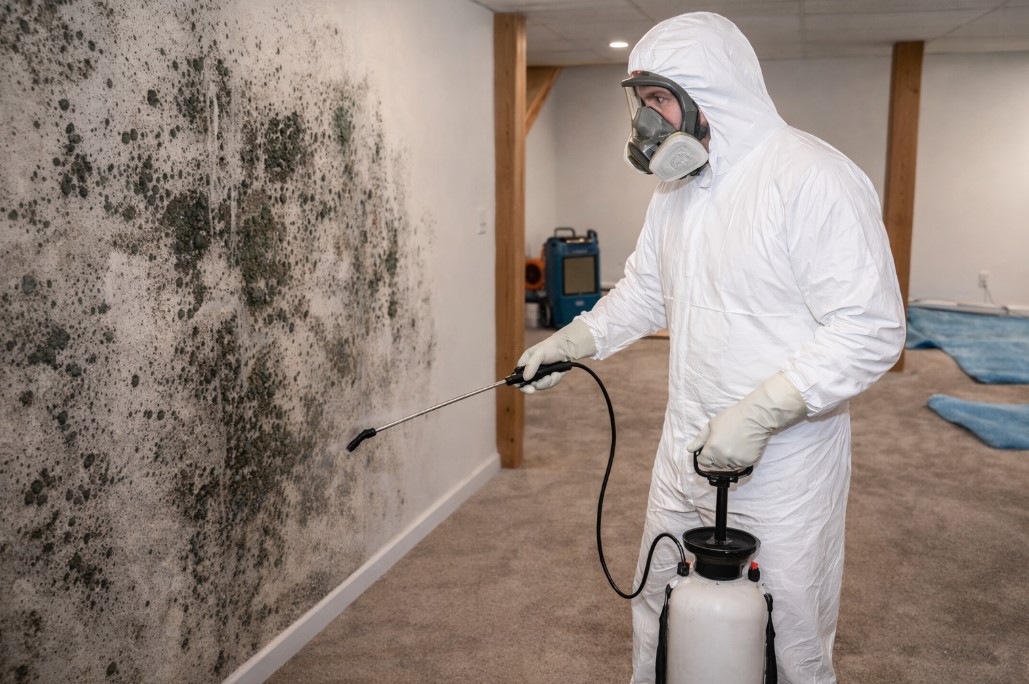
Basements are the most common location for mold in Seattle homes. Below-grade construction, foundation moisture, limited ventilation, and the high humidity common in WA create ideal conditions for mold growth on concrete walls, drywall, wood framing, and insulation. Our certified basement mold removal specialists in Seattle don't just remove visible mold — they identify and address the moisture source to prevent it from coming back.

Basement Mold Removal Seattle, WA

Basement Mold Removal Services in Seattle, WA

Our Seattle basement mold specialists handle every type of basement mold situation — from surface mold on concrete walls to deep contamination in finished basement drywall and insulation.

Unfinished Basement Mold Removal

Mold on concrete walls, block foundation, floor joists, and exposed framing in unfinished Seattle basements is treated with HEPA vacuuming, wire brushing of porous surfaces, and EPA-approved antimicrobial treatments to eliminate active growth and inhibit regrowth.

Finished Basement Mold Removal

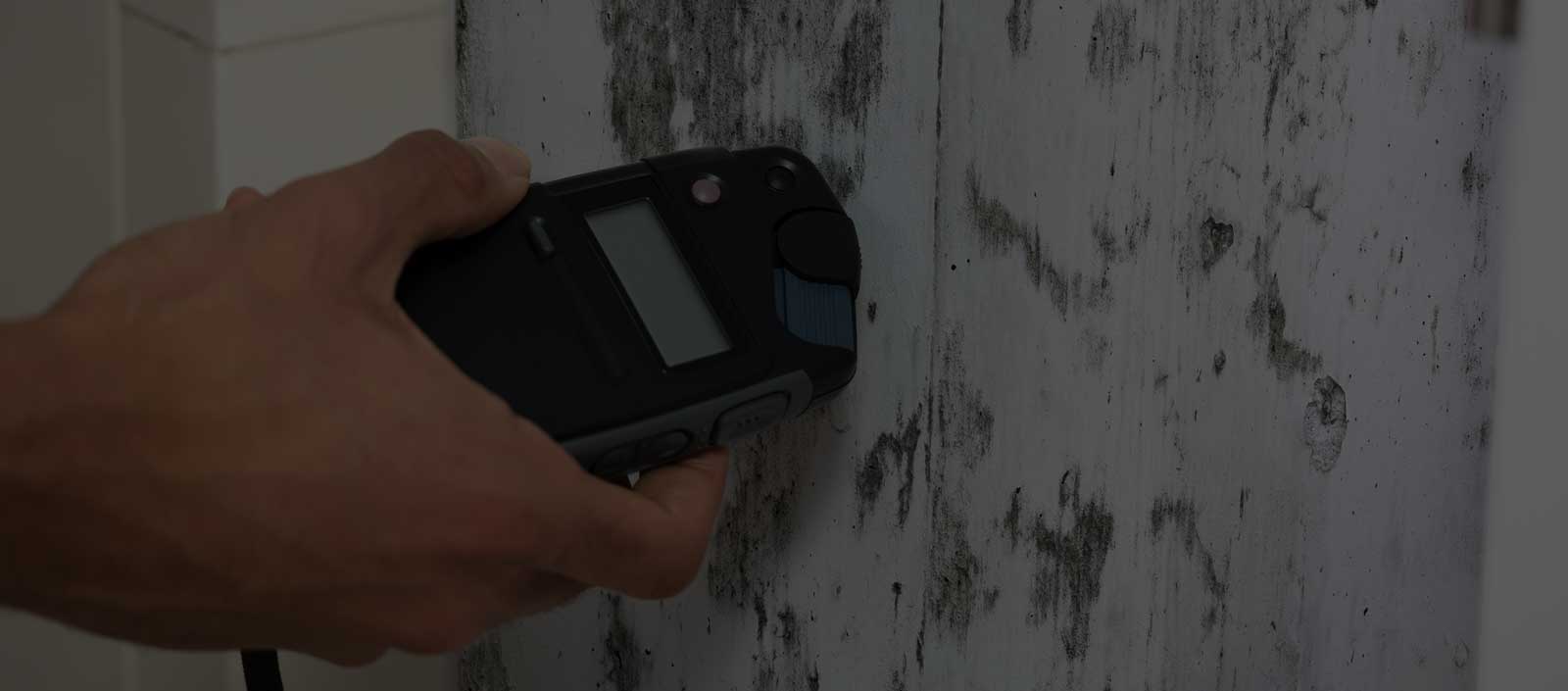
Finished basements in Seattle homes present a greater remediation challenge — mold often grows behind drywall, inside wall cavities, and beneath flooring where it's invisible. We use moisture meters and thermal cameras to locate hidden mold before removing and replacing affected materials.

Basement Mold After Flooding

Basement flooding in Seattle — from heavy rain, sump pump failure, or foundation seepage — is a leading cause of basement mold. We combine water extraction, industrial drying, and complete mold remediation to restore flood-damaged basements to safe, dry condition.

Mold on Basement Concrete & Block Walls

Concrete and cinder block basement walls in Seattle homes are highly porous — absorbing ground moisture and supporting mold growth on their surface and inside the block cores. We treat concrete surfaces with specialized antimicrobial solutions that penetrate porous materials.

Basement Insulation Mold Removal

Fiberglass and foam insulation in Seattle basement walls and ceilings readily absorbs moisture and supports mold growth. Moldy insulation cannot be effectively cleaned — it requires complete removal and replacement as part of the basement mold remediation process.

Moisture Control & Waterproofing

Basement mold always has a moisture source. Our Seattle specialists identify the root cause — foundation cracks, poor drainage, condensation, or plumbing leaks — and recommend waterproofing solutions including sealants, drainage systems, and dehumidifiers to prevent mold from returning.

    Drywall is one of the most mold-prone materials in Seattle basements — it absorbs moisture readily and provides an ideal organic surface for mold growth. Once drywall is contaminated, it cannot be effectively cleaned and must be removed and replaced. We contain the area, remove affected drywall, treat underlying framing, and document everything for insurance.
    Foundation cracks allow groundwater to seep into Seattle basements, creating persistent moisture that feeds recurring mold growth. Mold removal alone won't solve this — foundation crack repair or waterproofing is required to eliminate the moisture source and prevent mold from returning.
    Sump pump failures during heavy Seattle rainfall events frequently cause rapid basement flooding. The combination of standing water, saturated walls, and limited ventilation creates conditions for explosive mold growth. Emergency mold response after sump pump failure minimizes damage and prevents widespread contamination.
    HVAC equipment located in Seattle basements generates condensation that can drip onto walls, floors, and nearby materials — creating a constant moisture source for mold growth near the unit. Proper HVAC insulation, condensate drainage, and dehumidification prevent this common cause of basement mold.
    If you've had basement mold removed before but it keeps coming back in your Seattle home, the moisture source was never properly addressed. Recurring basement mold requires a comprehensive approach: full mold removal combined with moisture mapping, source identification, and permanent waterproofing or drainage solutions.
    Mold spores from your Seattle basement travel upward through air movement, HVAC systems, and gaps in the floor — contaminating the air in living areas above. If family members are experiencing unexplained respiratory symptoms, basement mold may be the cause even if you can't see it from the living areas.
    Basement mold discovered during a Seattle home inspection is one of the most common deal-breakers in real estate transactions. Our specialists provide fast remediation with written clearance documentation — giving buyers, lenders, and real estate agents the confirmation they need to proceed with the sale on schedule.

Why Basements Are So Prone to Mold in Seattle

Basements sit below grade — surrounded by soil that constantly holds moisture from rain, groundwater, and seasonal water table changes. Even without visible flooding, ground moisture migrates through concrete and block walls into Seattle basements through a process called hydrostatic pressure. Combined with limited airflow, cooler temperatures that cause condensation, and organic materials like wood framing and drywall, basements create near-perfect conditions for mold year-round.

Finished vs. Unfinished Basement Mold

Unfinished basements are easier to remediate — mold on exposed concrete, block, and framing is visible and accessible. Finished basements present a greater challenge because mold grows hidden behind drywall and beneath flooring for months or years before symptoms appear. If your finished Seattle basement has a musty odor, discolored walls, or warped flooring — these are signs of hidden mold that requires professional investigation.

Remediation + Waterproofing = Permanent Solution

Basement mold removal without addressing the moisture source is a temporary fix. Our Seattle approach combines thorough mold remediation with identification of the moisture source and recommendations for permanent solutions — whether that's foundation crack repair, improved drainage, dehumidification, or interior waterproofing systems.

Our Basement Mold Removal Process in Seattle, WA

Our Seattle basement mold removal process addresses both the mold contamination and the underlying moisture conditions that caused it:

Step-by-step basement mold removal in Seattle:

  • 1. Basement Inspection & Moisture Mapping: Our Seattle specialist conducts a full basement inspection using moisture meters and thermal cameras — identifying all visible and hidden mold growth, mapping moisture levels in walls and floors, and locating the source of water intrusion.
  • 2. Containment Setup: Before any removal work begins, we establish containment barriers and set up HEPA air scrubbers in your Seattle basement — preventing mold spores from migrating to upper floors and living areas during the remediation process.
  • 3. Contaminated Material Removal: All mold-contaminated drywall, insulation, flooring, and other porous materials are safely removed and bagged for disposal. HEPA vacuuming removes mold spores from all remaining surfaces including concrete walls, framing, and structural elements.
  • 4. Antimicrobial Treatment: EPA-approved antimicrobial solutions are applied to all surfaces in your Seattle basement — penetrating porous concrete and masonry to kill remaining mold spores and leaving a protective barrier that inhibits future mold growth.
  • 5. Moisture Source Correction: We address the root cause of basement mold in your Seattle property — recommending and coordinating foundation crack repair, improved drainage, dehumidifier installation, or other waterproofing measures to prevent recurrence.
  • 6. Clearance Report & Documentation: Post-remediation inspection confirms your Seattle basement is mold-free. You receive a written clearance report with before/after photos, moisture readings, and completed work documentation — for insurance, real estate, or personal records.

Basement Mold Removal Services in Seattle, WA

Providing basement mold removal services in Seattle, WA and surrounding zip codes: 98101 98102 98103 98104 98105 98106 98107 98108 98109 98112 98115 98116 98117 98118 98119 98121 98122 98125 98126 98133 98134 98136 98144 98146 98148 98154 98155 98158 98160 98164 98166 98168 98174 98177 98178 98188 98195 98198 98199 98161 98181

Seattle, WA Basement Mold FAQ

Questions about basement mold removal in Seattle? Call (877) 360-5502 to speak with a specialist.

  • Is basement mold dangerous?
  • Yes. Basement mold in Seattle homes releases spores that travel upward through air movement and HVAC systems into living areas. Prolonged exposure to mold spores causes respiratory symptoms, allergic reactions, and in the case of toxic mold species, more serious health effects. Basement mold also causes progressive structural damage to framing, drywall, and flooring if left untreated.
  • Why does my Seattle basement keep getting mold?
  • Recurring basement mold in Seattle means the moisture source was never addressed. Common causes include foundation cracks admitting groundwater, poor exterior drainage directing water toward the foundation, high water table, inadequate ventilation, or HVAC condensation. A professional assessment identifies the specific moisture pathway into your basement so it can be permanently corrected.
  • Can I stay in my home during basement mold removal?
  • In most cases yes — basement mold removal in Seattle is performed below the living areas with containment barriers in place. However, for large infestations, toxic mold species, or situations where HVAC is affected, temporary relocation may be recommended for vulnerable household members. Our specialists will advise based on your specific situation.
  • How long does basement mold removal take in Seattle?
  • Basement mold removal in Seattle typically takes 1–3 days for standard remediation. Larger infestations, finished basements requiring extensive drywall removal, or flood-related situations requiring drying time may take 3–7 days total. We work efficiently to minimize disruption and provide a clear timeline before work begins.
  • Will insurance cover basement mold removal?
  • Coverage depends on the cause. Basement mold resulting from a sudden covered event — burst pipe, appliance failure, storm damage — is typically covered by homeowner's insurance in Seattle. Mold from gradual moisture intrusion, flooding (requires separate flood insurance), or maintenance neglect is usually excluded. We provide complete documentation to support your claim.
  • Do I need to replace my basement drywall after mold?
  • In most cases yes. Drywall is porous and absorbs mold deeply — surface cleaning is ineffective and mold will regrow from within the material. Mold-contaminated drywall in Seattle basements must be removed and replaced. Moisture-resistant drywall (green board or purple board) or cement board is recommended for basement walls as a preventive measure during restoration.

Seattle homeowners can enhance bathrooms after mold removal with trusted tub to shower conversion in Seattle.