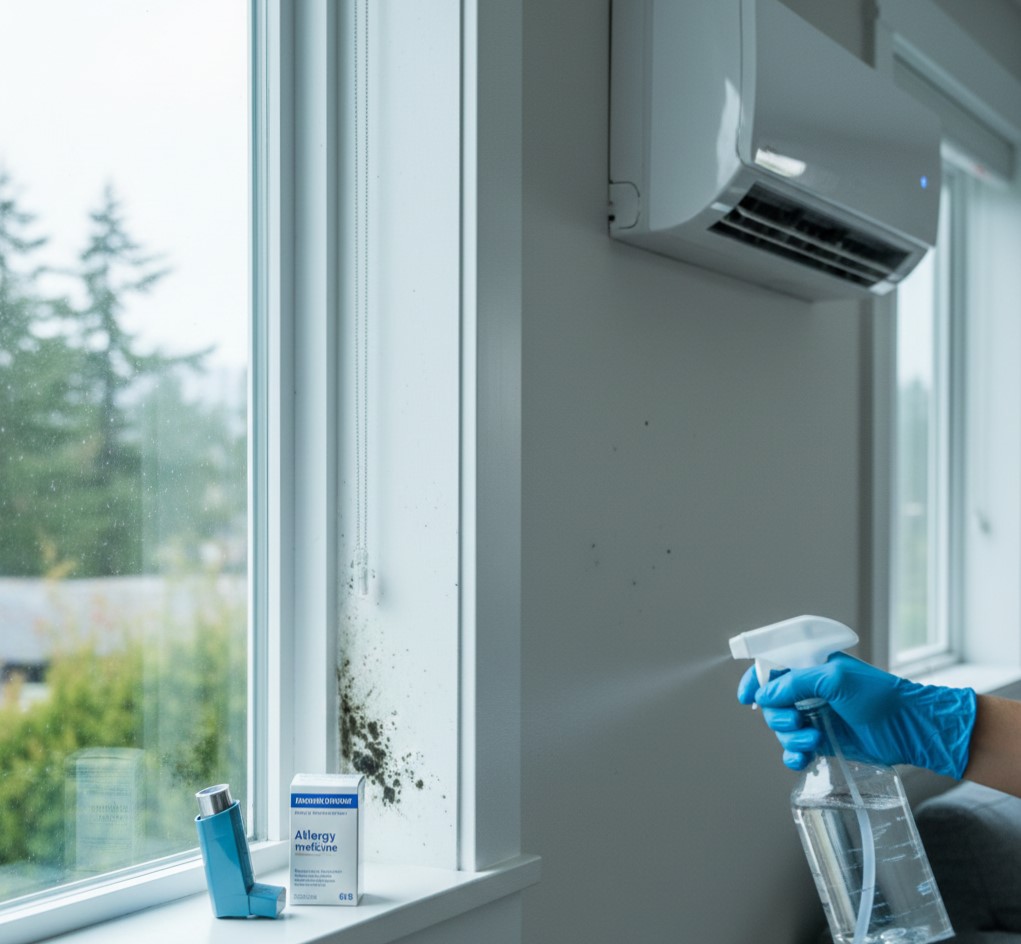
Black mold in air conditioning systems and window frames creates severe health hazards for homeowners throughout California and Oregon. Stachybotrys chartarum, the primary black mold species, thrives in moisture-rich environments created by HVAC condensation build-up, clogged drainage pipes, and deteriorating window seals. According to the California Department of Public Health, approximately 47% of homes with central air conditioning experience some level of mold contamination in their HVAC systems, circulating mycotoxins that cause respiratory distress, chronic fatigue, and serious allergic reactions. The 2022 Midea window air conditioner recall—affecting 1.7 million units and resulting in 152 illness reports with 17 hospitalizations—demonstrates how contaminated cooling systems directly threaten indoor air quality and occupant health. Understanding where black mold grows, recognizing early warning symptoms, and knowing when professional intervention becomes necessary protects your family from potentially life-threatening exposure.
Table of Contents
Quick Answer
Black mold in AC systems affects 47% of California and Oregon homes. Health symptoms appear within 1-4 weeks and include respiratory distress, chronic fatigue, and wheezing. DIY removal is safe for areas under 10 sq ft on non-porous surfaces. Professional remediation costs $800-$10000 depending on contamination extent. Call (877) 360-5502 for assessment.
Key Takeaways
Quick Summary:
- Black mold affects 47% of California and Oregon homes with central air conditioning, thriving in HVAC condensation and window moisture
- Health symptoms include respiratory distress, chronic fatigue, wheezing, and cognitive problems appearing within 1-4 weeks of exposure
- Professional remediation is mandatory if mold covers more than 10 square feet or appears in HVAC ductwork and air handlers
- EPA threshold: 24-48 hours is all it takes for mold spores to germinate on wet surfaces
- Call (877) 360-5502 for professional mold inspection and assessment throughout California and Oregon
Why Black Mold Grows in Air Conditioners and Window Units
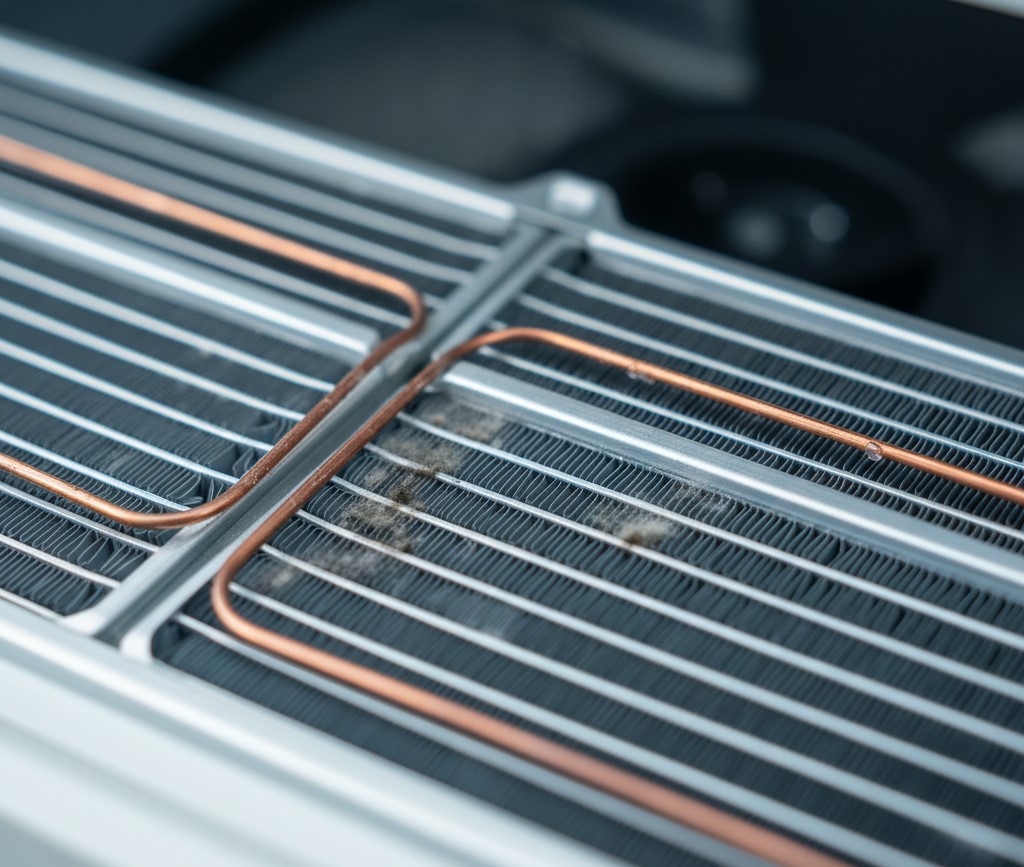
Black mold colonization in air conditioning systems occurs when moisture, organic material, and inadequate drainage converge in HVAC components. The evaporator coil—the cold component inside your air handler that removes heat from indoor air—operates at temperatures 15-20°F below room temperature, causing water vapor to condense on aluminum fins and collect in the drain pan below. The EPA documents that mold spores germinate within 24-48 hours on surfaces where moisture content exceeds 20%, and the organic dust particles coating evaporator coils provide abundant food sources for Stachybotrys chartarum and Aspergillus species.
A properly functioning system drains condensation through dedicated drainage pipes, but clogs from algae growth, dust accumulation, or biological matter cause standing water. A typical 3-ton residential AC unit in California's hot interior valleys produces 10-20 gallons of condensation daily during peak cooling periods. When drainage systems cannot keep pace or develop blockages, moisture persists on coils long enough for mold colonies to establish, mature, and begin releasing spores into circulated air.
California's Central Valley regions including Chico and Redding face particularly severe HVAC mold problems during summer months when temperatures reach 95-110°F and air conditioners run continuously for weeks. This constant operation generates several gallons of condensation daily without interruption. Extended runtime means evaporator coils remain wet for prolonged periods, and any drainage restriction creates ideal conditions for rapid mold colonization. Sacramento, Fresno, and Bakersfield experience similar conditions from June through September, with some systems operating 18-20 hours daily.
Oregon's humid climate creates different but equally problematic conditions for mold growth. Cities like Eugene and Portland maintain 60-75% relative humidity year-round, with frequent rain and morning fog depositing moisture on outdoor condenser units. This external moisture migrates into air handler compartments through ventilation openings, while poor indoor air exchange during cool, rainy months allows humidity levels to climb above the 60% threshold where mold proliferates rapidly. The Pacific Northwest's mild temperatures—rarely exceeding 85°F—mean AC systems cycle on and off rather than running continuously, creating wet-dry cycles that actually accelerate mold growth compared to constant operation that keeps coils dry through continuous airflow.
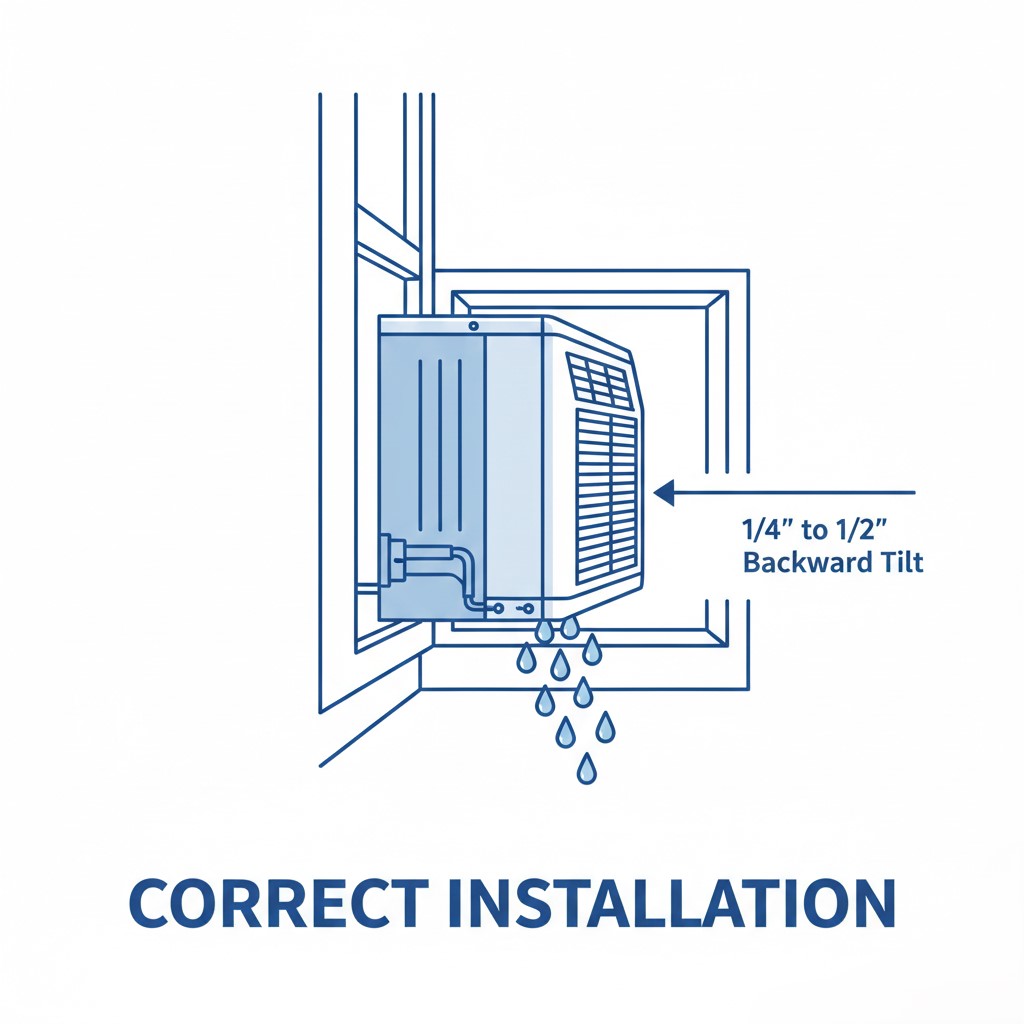
Window air conditioning units present additional vulnerabilities beyond central systems. These self-contained systems lack sophisticated drainage infrastructure, relying instead on gravity drainage through small holes in the chassis or rear-mounted drain pans. Installation errors—even slight backward tilting—cause water to pool inside the unit rather than drain outside. The foam insulation surrounding window AC units absorbs moisture like a sponge, creating permanently damp conditions ideal for black mold colonization.
The 2022 Midea window AC recall provides concrete evidence of these hazards. Following consumer complaints of respiratory illness, the Consumer Product Safety Commission investigation identified Stachybotrys and Aspergillus contamination in foam insulation within 1.7 million units. Affected individuals reported coughing, wheezing, and breathing difficulties beginning 2-6 weeks after unit installation. Seventeen cases required hospitalization for pneumonia-like symptoms, with microbiological analysis confirming fungal rather than bacterial or viral causes. This incident demonstrates how contaminated window units actively distribute toxigenic spores throughout living spaces.
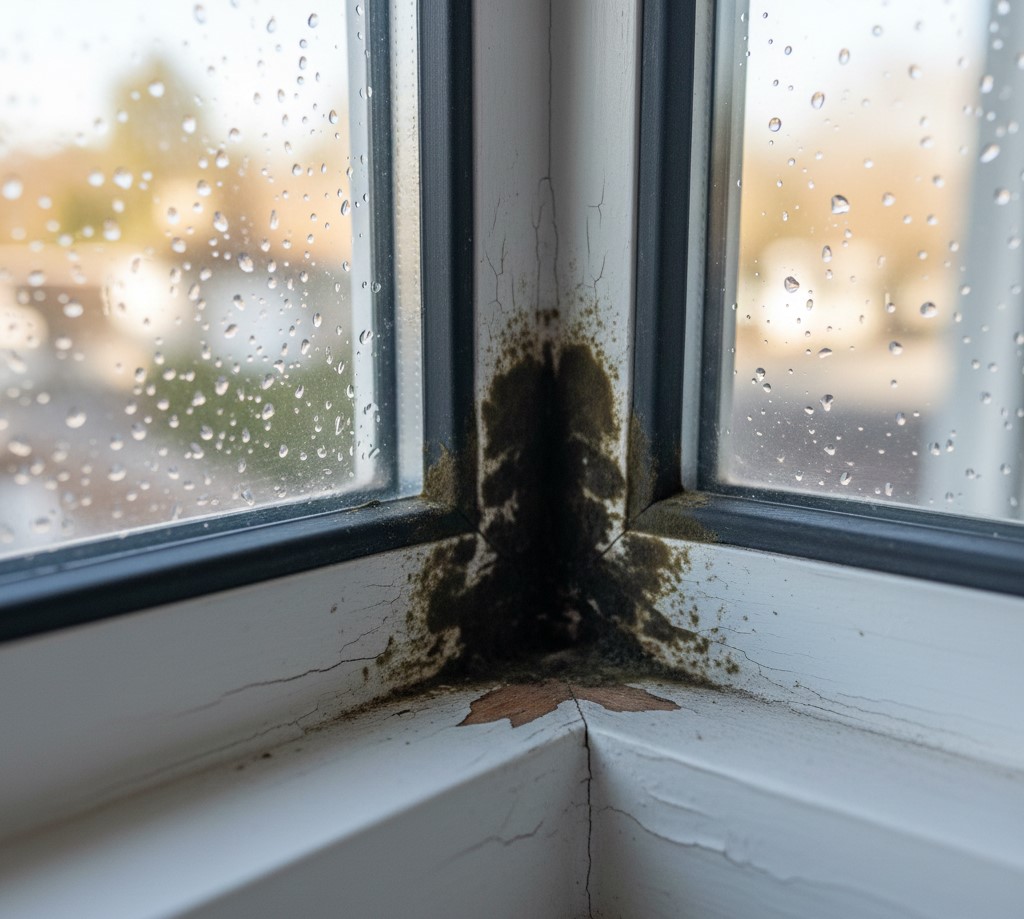
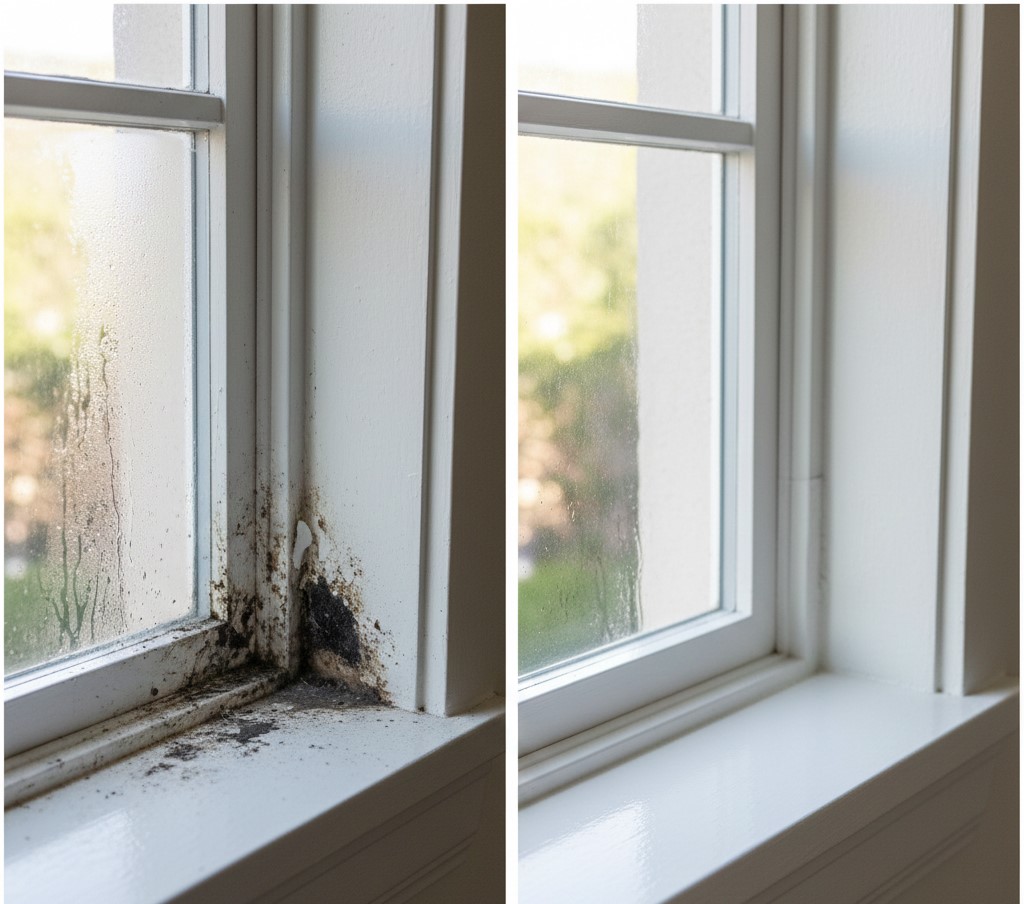
Window frame condensation operates on identical physics but manifests differently. During California's cooler months (November through March) and Oregon's rainy season (October through May), warm humid indoor air contacts cold window glass, causing water vapor to condense and run down onto sills and into frame channels. Rubber gaskets and weatherstripping—porous materials by design—absorb this moisture, remaining perpetually damp. Wood window sills with cracked paint allow water penetration into the cellular structure, raising wood moisture content from normal 8-12% to 20-30% where decay fungi and black mold thrive. The Institute of Inspection, Cleaning and Restoration Certification (IICRC) identifies window condensation as the leading cause of localized mold contamination in residential structures, accounting for 34% of remediation calls in temperate coastal climates.
If you're experiencing musty odors from AC vents or visible mold around windows in Chico, Eugene, or surrounding areas, call (877) 360-5502 for professional inspection and assessment.
Health Risks: Stachybotrys Chartarum and Mycotoxin Exposure
Stachybotrys chartarum, commonly called black mold due to its dark olive-green to black coloration and slimy texture when wet, produces potent mycotoxins called trichothecenes that cause severe health effects through inhalation, skin contact, or ingestion. These mycotoxins inhibit protein synthesis at the cellular level, damaging tissues throughout the body but particularly affecting the respiratory system, immune function, and neurological processes. The Centers for Disease Control and Prevention (CDC) classifies Stachybotrys as a toxigenic mold requiring immediate professional remediation when identified, as exposure levels that cause symptoms are significantly lower than other common indoor molds.
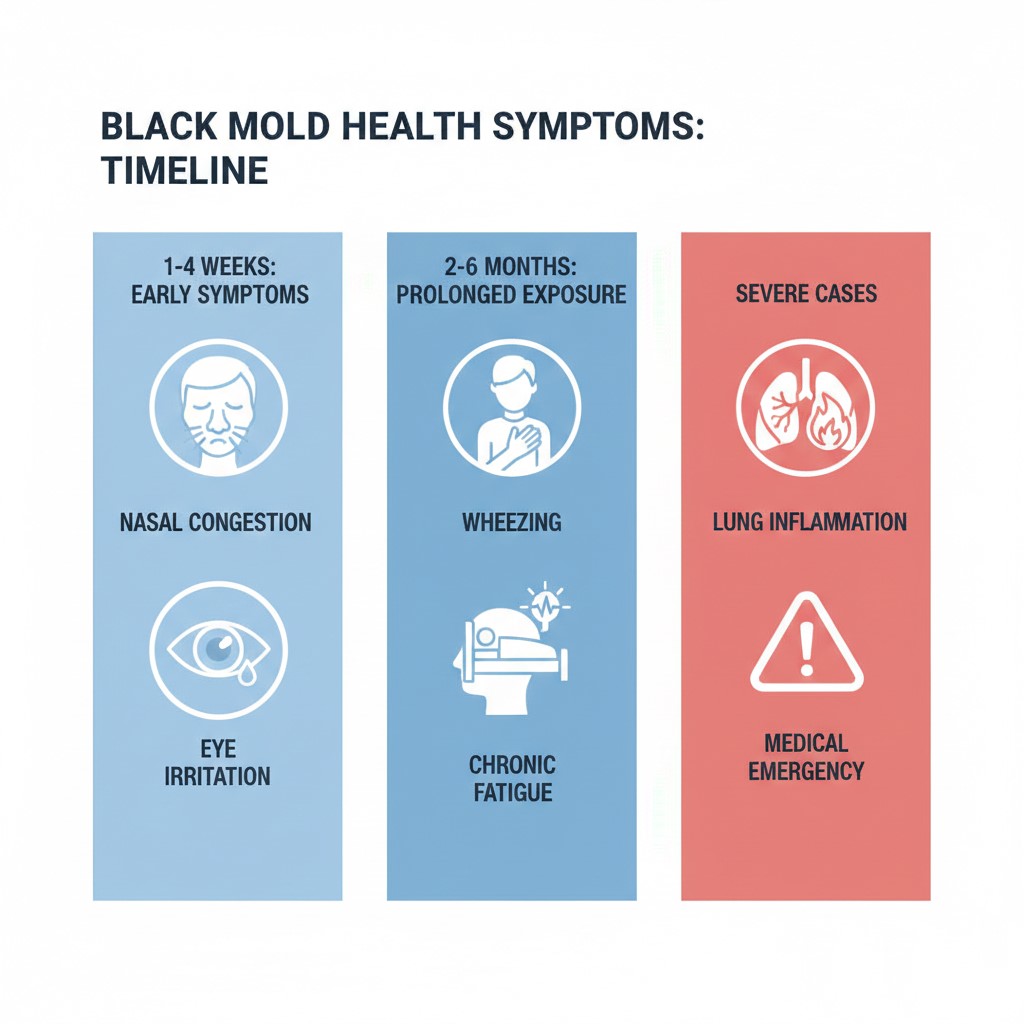
Early-stage exposure symptoms typically appear within 1-4 weeks of continuous contact with black mold spores. Initial manifestations include persistent nasal congestion and sinus pressure that doesn't respond to standard allergy medications, accompanied by clear runny nose, frequent sneezing, and eye irritation with redness and excessive tearing. A dry, non-productive cough develops as spores irritate bronchial passages, progressing to productive coughing with clear or white phlegm. Many patients report scratchy, sore throat and voice hoarseness, particularly noticeable in mornings after nighttime exposure from contaminated HVAC systems circulating spores during sleep. Skin contact with mold-contaminated surfaces causes localized dermatitis—red, itchy rashes that may blister in sensitive individuals.
Prolonged exposure over 2-6 months leads to more serious respiratory complications. Wheezing becomes constant rather than episodic, accompanied by chest tightness and shortness of breath that worsens with physical exertion. The American Academy of Allergy, Asthma & Immunology documents that mold exposure exacerbates pre-existing asthma in 78% of sensitive individuals, increasing attack frequency and severity while reducing response to standard bronchodilator medications. Chronic fatigue develops—profound exhaustion unrelieved by sleep that interferes with normal daily activities. Persistent headaches, typically frontal or temporal, become a daily occurrence. Cognitive symptoms emerge including difficulty concentrating, memory problems, and "brain fog" characterized by slowed mental processing and confusion.
Severe cases, particularly in immunocompromised individuals, children under age 5, and elderly adults over 65, can progress to life-threatening conditions. Hypersensitivity pneumonitis—an immune-mediated lung inflammation—causes fever, severe shortness of breath, and potentially permanent lung scarring. Invasive aspergillosis, while rare, occurs when Aspergillus species that often co-occur with Stachybotrys invade lung tissue in immunosuppressed patients, with mortality rates exceeding 50% even with aggressive antifungal treatment. The CDC investigated a cluster of acute pulmonary hemorrhage cases in infants in Cleveland during the 1990s, finding strong association with Stachybotrys exposure, though causation remains debated in medical literature.
A critical diagnostic indicator is symptom improvement when away from the contaminated environment. Patients who experience relief during work hours but symptoms return evenings and weekends, or who feel better during vacations but worse upon returning home, almost certainly face indoor air quality problems. This pattern should prompt immediate investigation for mold contamination, particularly in HVAC systems where spore distribution affects entire homes.
The documented Midea recall cases provide real-world evidence of HVAC mold health impacts. Of the 152 consumer illness reports, affected individuals experienced coughing, wheezing, and breathing difficulties beginning 2-6 weeks after unit installation. The seventeen hospitalization cases presented with pneumonia-like symptoms including high fever, chest pain, and severe respiratory distress requiring oxygen supplementation. Laboratory cultures from patient sputum samples and environmental samples from the units confirmed Stachybotrys chartarum and Aspergillus fumigatus—both known respiratory pathogens when present in high concentrations.
If household members in Sacramento, Fresno, or Portland experience respiratory symptoms, chronic fatigue, or persistent headaches that improve away from home, call (877) 360-5502 immediately for professional mold assessment.
Identifying Black Mold in Your HVAC System and Windows
Visual identification of black mold requires understanding where to look and what distinguishes Stachybotrys from less dangerous mold species. In central air conditioning systems, access the air handler compartment—typically located in basements, utility closets, or attics. Remove the access panel and inspect the evaporator coil with a flashlight. Black mold appears as dark olive-green to black patches with a slimy, wet appearance on active colonies or a dusty, powdery texture when dry. Unlike white or gray dust accumulation, mold has distinct edges and grows in circular or irregular patches that spread outward from initial colonization points.
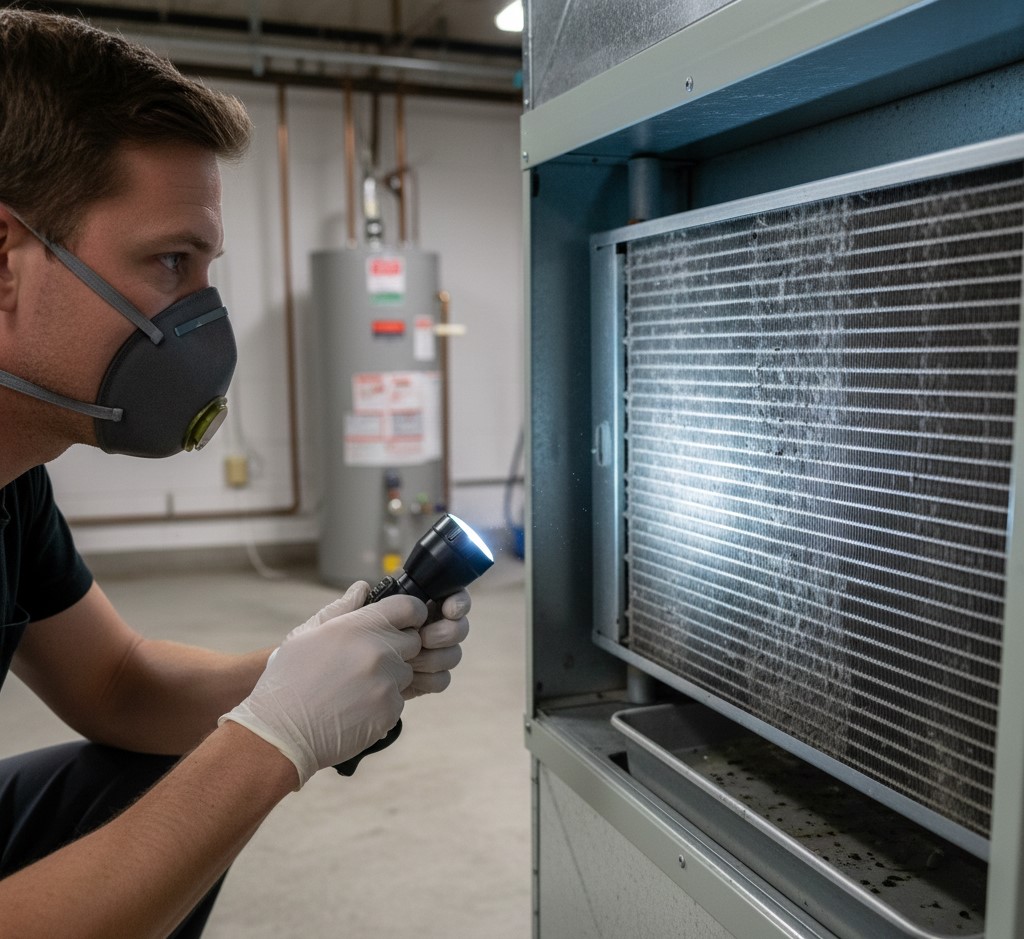
The drain pan beneath the evaporator coil represents another primary contamination location. Standing water with black sediment or dark growth on pan surfaces indicates active mold problems. Check drainage pipe connections—if water isn't flowing freely when the AC operates, clogs have developed. Pour a cup of water into the drain pan; it should exit the drainage pipe within seconds. Slow drainage or pooling water confirms blockages requiring immediate attention.
Inspect the blower compartment and blower wheel itself, as mold often colonizes the motor housing and fan blades where condensation can form. Mold appears as dark fuzzy growth on surfaces. A musty, earthy odor—often described as smelling like dirt, wet cardboard, or rotting vegetation—emanates from supply vents when mold is present in the air handler. This smell intensifies when the system first turns on after a period of inactivity, as the initial airflow disturbs dormant spores. Run your finger along the interior of supply registers; if it comes away with dark residue rather than light gray dust, suspect mold contamination upstream in the ductwork or air handler.
Window air conditioners require different inspection approaches. Remove the front grille and filter—if the filter shows visible mold, discard it rather than attempting cleaning. Visible mold typically appears on the evaporator coil face (the indoor side), around the edges where the chassis meets the foam insulation, and in the drain pan or drainage channels at the unit's rear. Significant contamination is often visible simply by looking into the unit from the front—dark patches on white or silver coil surfaces, or black growth around the louvers and air deflectors. The distinctive musty smell when the unit operates provides strong circumstantial evidence even if visual inspection proves inconclusive.
Window frame and sill inspection focuses on areas where condensation accumulates. Examine the corners where glass meets the frame—mold appears first in these crevices where water pools. Remove any decorative trim or snap-on covers to inspect underneath where moisture becomes trapped. Pay special attention to rubber weatherstripping and gaskets, which often harbor embedded mold appearing as dark discoloration or spots within the rubber material itself. On wooden sills, look for paint bubbling, soft spots when pressed, or dark staining that extends beyond surface level, indicating moisture penetration and potential mold growth within the wood structure.
Professional air quality testing provides definitive identification when visual inspection is inconclusive or when health symptoms suggest contamination despite no obvious mold presence. Air sampling captures spores on collection media analyzed in laboratories to identify specific species and quantify spore concentrations. Surface sampling via tape lifts or swabs allows direct microscopic examination and culture identification. Indoor air quality assessments in San Francisco, San Jose, and Los Angeles typically cost $300-$500 and provide comprehensive reports documenting mold species present, concentration levels compared to outdoor baseline samples, and recommendations for remediation.
| Feature | Black Mold (Stachybotrys) | Other Common Molds |
|---|---|---|
| Color | Dark olive-green to black | White, gray, green |
| Texture (wet) | Slimy, viscous | Fuzzy, powdery |
| Texture (dry) | Powdery black dust | Dry, flaky |
| Smell | Strong musty, earthy | Mild musty or none |
| Growth Pattern | Irregular patches with distinct edges | Diffuse, widespread |
| Health Risk | High (mycotoxin production) | Low to moderate |
| Action Required | Immediate professional remediation | Depends on extent |
Safe DIY Black Mold Removal: When It's Appropriate
The Environmental Protection Agency establishes 10 square feet as the threshold separating homeowner-appropriate cleaning from professional remediation requirements. Areas smaller than roughly 3 feet by 3 feet—equivalent to a small bathroom floor or single window frame—can typically be addressed through careful DIY methods if the affected materials are non-porous and the homeowner has no respiratory conditions, immune system compromise, or mold allergies. Attempting DIY remediation beyond this threshold, or on any porous material like drywall, insulation, or carpet, risks inadequate removal leading to regrowth and dangerous spore exposure during the cleaning process.
Personal protective equipment is mandatory for any mold remediation work. An N-95 respirator—the same masks used for COVID-19 protection—provides minimum acceptable respiratory protection. Surgical masks and cloth face coverings are completely inadequate as they don't filter mold spores effectively. Upgraded N-99 or P-100 respirators provide superior protection and are recommended for larger projects approaching the 10 square foot limit. Nitrile rubber gloves protect skin from direct contact with both mold and cleaning solutions, while safety goggles without ventilation holes prevent spores from entering eyes. Wear old clothing that can be immediately laundered in hot water or discarded if heavily contaminated, and work shoes you can clean thoroughly afterward.
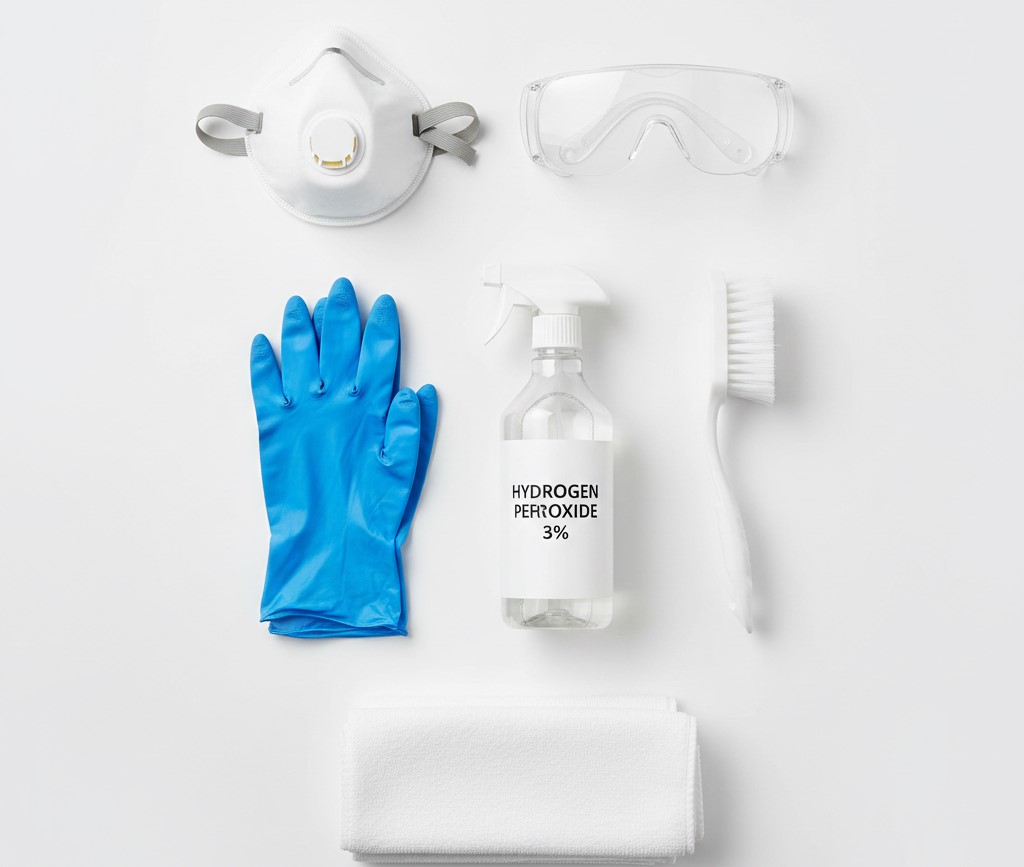
Containment prevents spore distribution to unaffected areas. Before beginning work, close all doors to the work area and seal gaps under doors with towels. Turn off the HVAC system completely—not just setting the thermostat, but switching off at the breaker—to prevent air circulation that distributes spores throughout the building. Open windows in the work area to create ventilation to the outdoors. Place a box fan in a window blowing outward to create negative pressure that draws contaminated air outside rather than allowing it to migrate to other rooms. Cover nearby furniture and items with plastic sheeting taped at the edges.
Hydrogen peroxide at 3% concentration (standard drugstore strength) effectively kills mold, is non-toxic, and leaves no harmful residue. Apply undiluted hydrogen peroxide in a spray bottle, saturating the moldy surface completely. Do not wipe immediately—allow it to sit for 10-15 minutes while the peroxide penetrates and kills mold structures at the cellular level. Scrub with a synthetic scrub brush or synthetic cloth (not natural fiber brushes that can harbor mold), then wipe clean with damp cloths. Repeat application if any discoloration remains after the first treatment.
White vinegar provides an effective non-toxic alternative to chemical cleaners. Use cleaning-strength vinegar (6% acetic acid) rather than standard 5% vinegar for better efficacy against mold. Apply undiluted in a spray bottle, allow 15 minutes of contact time, then scrub and wipe clean. Vinegar's acidic pH disrupts mold cell structures and inhibits regrowth. The distinctive smell dissipates within a few hours as the vinegar dries. For persistent stains, make a paste of baking soda and water, apply to the stained area, let sit 10 minutes, then scrub and rinse thoroughly.
Commercial products like Concrobium Mold Control use a salt-based formula that leaves a protective barrier inhibiting future mold growth. This product requires no rinsing—apply, allow to dry completely, then wipe away dead mold with a dry cloth. The remaining invisible barrier continues providing protection against recolonization. EPA-registered antimicrobial sprays like Benefect contain botanical ingredients (thyme oil) that kill mold while maintaining non-toxic profiles safe for occupied spaces.
Avoid bleach for mold removal despite its common recommendation. Bleach (sodium hypochlorite) kills surface mold on non-porous materials but cannot penetrate porous surfaces like wood or drywall, leaving root structures (hyphae) alive to regrow. The chlorine in bleach rapidly off-gasses, losing effectiveness within minutes of application. More importantly, bleach fumes combined with mold spore exposure create additional respiratory hazards, and chlorine reacts with organic materials to form toxic chlorinated compounds. The EPA specifically recommends against bleach use for mold remediation in residential settings.
For window sills and frames, remove all window treatments and items from the sill before beginning. Apply antimicrobial solution generously to all affected surfaces including glass, frame, sill, and rubber gaskets. After the recommended contact time, scrub rubber gaskets with a stiff synthetic brush—mold embeds deeply in rubber's porous structure. For painted wood sills, use firm but controlled pressure to avoid damaging the paint surface. If mold has stained the wood grain despite killing the active growth, light sanding after complete drying may be necessary to remove discoloration, followed by primer and paint to seal the wood and prevent future colonization.
Window AC unit cleaning begins with unplugging the unit and removing it from the window if possible for easier access. Remove the front grille and filter. Spray all accessible surfaces including the evaporator coil, drain pan, and interior chassis with antimicrobial solution. Use a soft brush to gently clean the aluminum fins, working vertically along the fin direction to avoid bending these delicate structures that are critical for heat transfer. Rinse by spraying clean water, allowing drainage through the unit's normal drainage holes. Let the unit dry completely—at least 24 hours—before reinstalling and operating.
If mold coverage on window surfaces or AC units exceeds 10 square feet, or if you see black slimy growth characteristic of Stachybotrys, stop and call (877) 360-5502 for professional remediation. DIY methods prove inadequate for large contamination areas or toxic mold species.
When Professional Mold Abatement Is Necessary
Professional remediation becomes mandatory when contamination exceeds homeowner-appropriate scope or involves circumstances requiring specialized equipment, containment protocols, and expertise. The EPA's 10 square feet threshold reflects the point at which spore concentrations during disturbance create serious health hazards even with proper protective equipment, and where the likelihood of hidden contamination in adjacent areas becomes statistically significant. Professional intervention ensures complete removal rather than surface-level cleaning that leaves viable mold structures capable of rapid regrowth.
Black mold identification triggers professional intervention regardless of area size. Stachybotrys chartarum produces mycotoxins that create health risks disproportionate to the visible contamination extent. Unlike less toxic species where small patches may be DIY-appropriate, any confirmed or suspected Stachybotrys warrants professional remediation. The slimy texture when wet, very dark coloration (olive-green to black), and typical occurrence in areas with sustained moisture exposure help identify this species, though definitive identification requires laboratory analysis.
Mold inside HVAC ductwork or air handler compartments requires professional attention due to distribution risk and access complications. Once spores colonize ductwork interior surfaces, every HVAC operation distributes contamination throughout the building. Cleaning ductwork properly requires specialized negative pressure equipment that prevents spore release during agitation, along with antimicrobial fogging that reaches all interior surfaces. Air handlers contain electrical components, refrigerant lines, and delicate coils requiring expert handling to avoid damage or hazardous refrigerant release during cleaning.
Contamination of porous materials like drywall, ceiling tiles, insulation, or carpet generally requires removal rather than cleaning. Mold penetrates deeply into these materials' cellular structures where surface treatments cannot reach, leaving viable hyphae that rapidly regenerate visible growth. Professional remediators contain affected areas with plastic barriers and negative air machines equipped with HEPA filters, remove contaminated materials systematically, vacuum remaining surfaces with HEPA vacuums, and treat structural components with antimicrobial solutions before reconstruction.
Health symptoms in household members elevate the situation's urgency and argue for professional intervention. If residents experience respiratory symptoms, chronic fatigue, or other mold-related health effects, the priority becomes eliminating exposure as quickly and completely as possible rather than attempting gradual DIY approaches. Professional remediation typically completes within days rather than the weeks that careful DIY work might require, reducing cumulative exposure and health risks.
Professional mold remediation services in Los Angeles, San Diego, Oakland, and Berkeley follow established protocols ensuring complete contamination removal. Initial assessment includes moisture measurement, visual inspection, and often air quality sampling to establish baseline contamination levels. Written estimates detail proposed scope of work, materials requiring removal, and expected timeline. Reputable companies maintain appropriate licenses, carry general liability insurance and workers' compensation coverage, and employ certified technicians with credentials from organizations like the IICRC or the Indoor Air Quality Association.
Containment procedures prevent cross-contamination during remediation work. Physical barriers of heavy plastic sheeting seal work areas from the rest of the building. Negative air machines create pressure differentials ensuring airflow moves from clean areas into the contained work zone, then through HEPA filters before exhausting outside. Multiple air exchanges per hour prevent spore accumulation even while aggressively removing contaminated materials. This containment approach is essential for preventing the spread of Stachybotrys spores to previously unaffected areas.
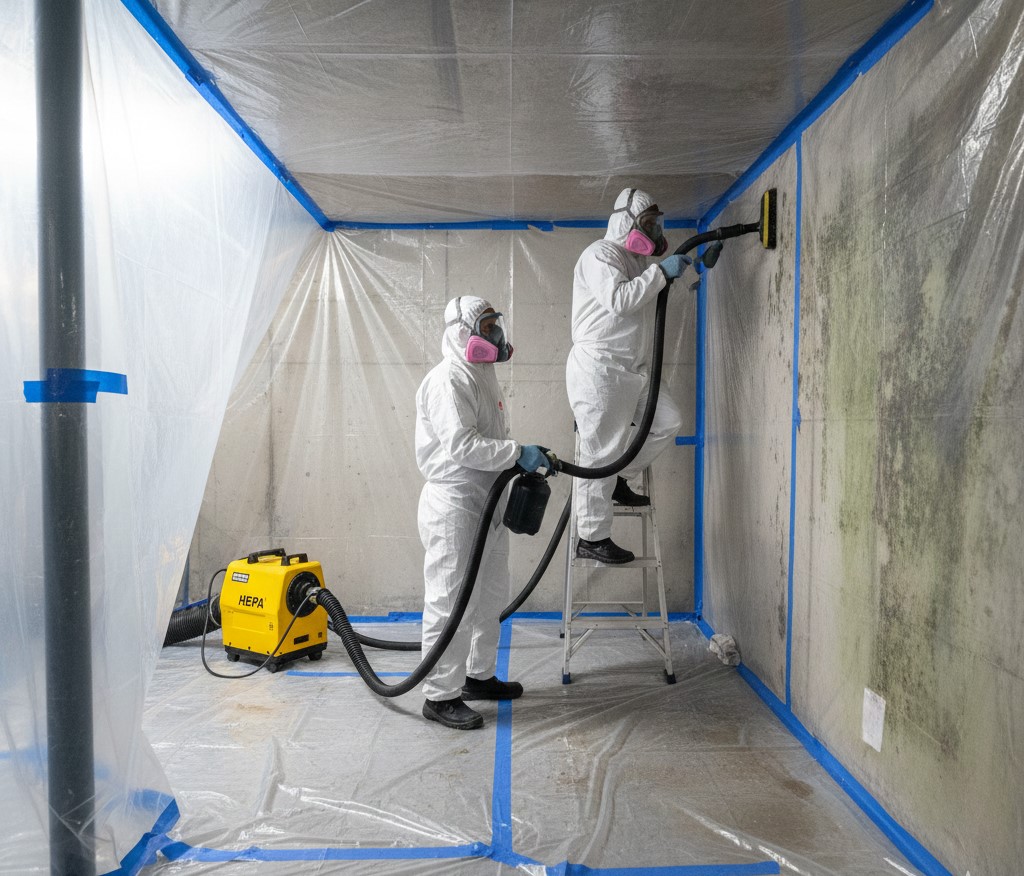
HEPA vacuuming removes surface spores from structural components that aren't being replaced. True HEPA filters capture 99.97% of particles 0.3 microns and larger—a threshold smaller than mold spores, which typically range 2-20 microns. Surfaces get vacuumed multiple times during remediation: after gross contamination removal, after antimicrobial treatment, and again before final clearance testing. This systematic approach ensures minimal viable spore residue remains on surfaces.
Post-remediation verification confirms successful decontamination. Air quality clearance testing samples both air and surfaces, comparing results to baseline outdoor samples and established industry standards. Documentation provides assurance that the indoor environment meets safety standards before reoccupation. This verification step is particularly important for Stachybotrys remediation, where even small amounts of residual contamination can cause health effects in sensitive individuals.
| Service Type | Cost Range | Timeline | Best For |
|---|---|---|---|
| Window mold removal | $500-$2000 | 1-2 days | Localized window frame contamination |
| Window AC cleaning | $200-$600 | Same day | Small unit contamination |
| Central AC air handler cleaning | $800-$3000 | 1-2 days | Coil and drain pan mold |
| Ductwork remediation | $2,500-$6,000 | 2-4 days | Extensive HVAC contamination |
| Black mold (Stachybotrys) | $2,000-$10,000 | 3-7 days | Toxic species present |
| Drywall removal/reconstruction | $3,000-$8,000 | 5-10 days | Structural damage |
In high-cost areas like San Jose and San Francisco, expect prices 20-40% higher than baseline ranges. Most homeowner insurance policies exclude mold remediation for gradual maintenance issues but may provide coverage if mold results from sudden water damage like burst pipes or storm damage.
For comprehensive mold remediation in California or Oregon with 24/7 emergency response, call (877) 360-5502 for immediate assistance and consultation.
Preventing Mold Growth in California and Oregon Climates
Moisture control forms the cornerstone of mold prevention—without sustained moisture availability, mold cannot colonize or grow regardless of spore presence. Indoor relative humidity below 60% prevents most mold species growth, with optimal levels between 30-50% balancing mold prevention against comfort and respiratory health. The American Society of Heating, Refrigerating and Air-Conditioning Engineers (ASHRAE) recommends maintaining 40-50% RH in occupied spaces, adjusted seasonally based on outdoor temperatures and building characteristics.
Annual professional HVAC maintenance before cooling season begins (March-April in California, May in Oregon) should specifically address mold prevention components. Technicians must inspect drainage systems for clogs, clean drain pans thoroughly, and flush condensate lines with vinegar or commercial treatments that kill algae and biofilm formation. Request that technicians specifically check for drainage problems by pouring water into the drain pan and verifying it exits the drainage pipe promptly—slow drainage indicates developing clogs requiring immediate attention before they cause overflow and water damage.
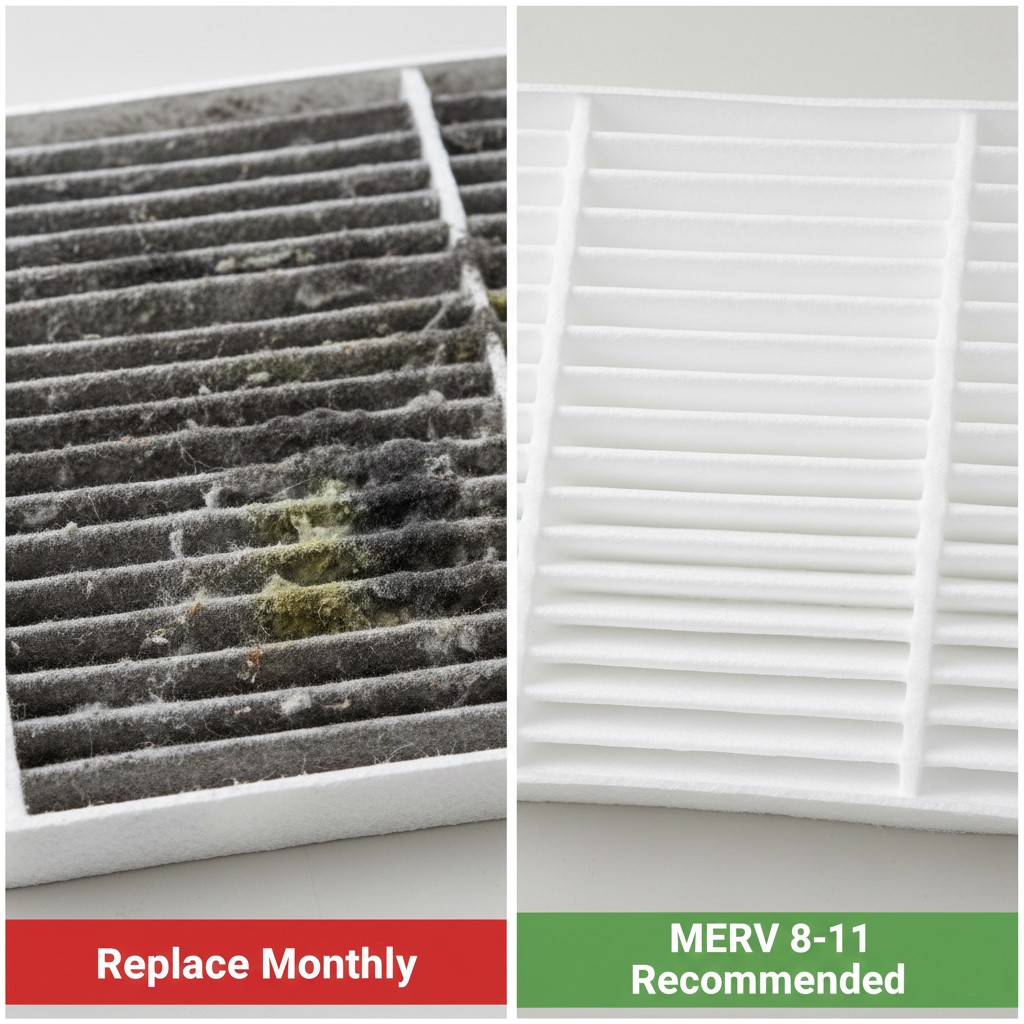
Air filter replacement intervals significantly impact evaporator coil cleanliness and mold prevention. Standard 1-inch fiberglass filters provide minimal protection—upgrade to pleated filters with MERV 8-11 ratings that capture smaller particles including dust, pollen, and mold spores before they reach the evaporator coil. Replace monthly during heavy use periods rather than following 90-day package recommendations, which assume much lighter operation than California's hot summer months demand. Higher-efficiency MERV 13-16 filters offer superior protection but verify your system can handle the increased airflow resistance these filters create.
Dehumidification supplements air conditioning in humid climates like Oregon's Willamette Valley and California's coastal regions. Portable dehumidifiers rated 50-70 pints per day manage moisture in particularly problematic rooms—typically basements, bathrooms without exhaust fans, or bedrooms in humid climates. Empty collection buckets daily or route drainage to floor drains or sinks with appropriate hose connections. Whole-house dehumidifiers integrate with HVAC systems, automatically maintaining set humidity levels throughout the building. Installation costs $1,200-$2,500 but provides comprehensive humidity control in climates where air conditioning alone proves insufficient.

Exhaust ventilation removes moisture at its source before it distributes throughout the building. Bathroom exhaust fans should run continuously during showering plus 20-30 minutes afterward—install timer switches ($25-$50) that automate extended operation. Upgrade to high-CFM models (100+ CFM for standard bathrooms, 150+ CFM for large bathrooms) that exchange air quickly. Kitchen range hoods must vent outdoors rather than recirculating; ductless models only remove odors and grease, returning all moisture to the room. Run range hoods during cooking and 15 minutes after to exhaust steam and cooking moisture completely.
Window air conditioner installation requires slight backward tilt—the rear of the unit should sit 1/4 to 1/2 inch lower than the front, allowing condensation to drain outside rather than pooling internally. Verify drainage by operating the unit 30 minutes then checking for water dripping from the rear. Seal the installation using foam weatherstripping specifically designed for AC units rather than improvising with random materials that might block drainage channels. Remove units for winter storage in climates where they won't be used for months; this prevents off-season moisture accumulation and allows thorough cleaning and drying before the next cooling season.
| Prevention Strategy | Annual Cost | Remediation Avoided | ROI |
|---|---|---|---|
| HVAC maintenance + premium filters | $300-$500 | $2,000-$6,000 | 4:1 to 12:1 |
| Dehumidifier operation | $150-$300 | $1,500-$4,000 | 5:1 to 13:1 |
| Window improvements | $500-$1500 (one-time) | $500-$2000 | Payback 1-3 years |
| Exhaust fan upgrades | $200-$400 (one-time) | $1,000-$3,000 | Payback 1-2 years |
Prevent costly mold problems in Riverside, Bakersfield, or Stockton with professional HVAC assessment and maintenance. Call (877) 360-5502 for consultation.
Frequently Asked Questions About Black Mold in AC Units and Windows
Can black mold in my air conditioner make me sick?
Black mold in air conditioning systems directly causes illness through continuous airborne spore distribution throughout your home. When AC operates, airflow carries Stachybotrys chartarum spores from contaminated coils and ductwork into every room, creating exposure levels far exceeding environmental background. Symptoms typically begin within 2-4 weeks of exposure and include persistent coughing, nasal congestion, wheezing, chronic fatigue, and headaches. The 2022 Midea window AC unit recall documented 152 illness reports with 17 hospitalizations from mold contamination in foam insulation—demonstrating that HVAC mold creates serious health hazards requiring immediate remediation. If your AC emits musty odors or you experience respiratory symptoms that improve when away from home, professional inspection and remediation is necessary.
What does black mold smell like in an air conditioner?
Black mold in air conditioning systems produces a distinctive musty, earthy odor often described as smelling like dirt, wet cardboard, rotting leaves, or damp basement. This smell intensifies noticeably when the AC first turns on after several hours off, as initial airflow disturbs dormant spores and volatile organic compounds that mold produces. The odor differs from normal "dusty" smells when AC starts—mold creates a persistent, unpleasant smell that doesn't dissipate after a few minutes of operation. Some describe the smell as "moldy" or "mildewy"—if you recognize that characteristic musty scent coming from AC vents, particularly coupled with visible dark spots on vents or registers, mold contamination is highly likely and requires professional assessment.
How do I know if mold in my AC is dangerous?
All mold growth in AC systems poses health risks, but Stachybotrys chartarum presents the greatest danger due to mycotoxin production. Identify potentially dangerous contamination by examining visible mold color and texture—black mold appears dark olive-green to black with a slimy texture when wet or powdery when dry, contrasting with gray or white dust. However, visual identification alone cannot definitively distinguish species. If household members experience respiratory symptoms, chronic fatigue, persistent headaches, or cognitive problems that improve away from home, the contamination is causing health impacts regardless of species. The presence of any substantial mold growth (greater than 1 square foot) inside the AC air handler or ductwork warrants professional assessment and likely professional remediation.
Can I clean black mold from my AC unit myself?
Cleaning window AC unit exteriors where small areas of mold (under 10 square feet) appear on accessible surfaces may be appropriate for DIY work with proper safety equipment including N-95 respirator, gloves, and eye protection. However, central HVAC system mold requires professional remediation due to contamination distribution risk, complex access requirements, and potential refrigerant system damage from improper cleaning. Never attempt to clean evaporator coils or interior ductwork yourself—professional remediation companies use containment procedures, HEPA vacuums, and antimicrobial treatments ensuring complete spore removal without spreading contamination. For window units with visible mold inside the chassis or on coils, replacement often proves more cost-effective than remediation; professional cleaning costs $200-$400 while replacement units start at $150-$300 for basic models.
How much does professional AC mold removal cost in California and Oregon?
Professional HVAC mold remediation costs vary based on contamination extent, system size, and accessibility. Window AC unit cleaning or replacement ranges $200-$600 including disposal of contaminated units. Central air handler decontamination when mold remains limited to the evaporator coil and drain pan typically costs $800-$3000, including antimicrobial coil cleaning, drain line treatment, and HEPA vacuuming of the air handler cabinet. Extensive contamination involving ductwork requires comprehensive duct cleaning and remediation costing $2,500-$6,000 for average residential systems. Prices in high-cost areas like San Jose and San Francisco run 20-40% higher than Central Valley or Southern Oregon locations. Most homeowner insurance policies exclude mold remediation for gradual maintenance issues but may provide coverage if mold results from sudden water damage.
Does homeowners insurance cover black mold in air conditioners?
Standard homeowners insurance policies typically exclude mold damage resulting from maintenance neglect, long-term moisture problems, or gradual deterioration—categories covering most HVAC mold situations. Insurance may provide coverage if mold develops as a direct consequence of a covered peril like sudden pipe bursts, storm damage causing water intrusion, or appliance failures creating unexpected water damage, provided the underlying incident was reported promptly and remediation began within policy timeframes (typically 30-60 days). Review your policy's specific mold exclusions and coverage limits—many policies cap mold remediation coverage at $10,000-$25,000 even when covered. Document all mold problems with dated photographs immediately upon discovery and file claims quickly if you believe circumstances warrant coverage.
Protecting Your Health from Air Conditioner and Window Mold
Black mold contamination in air conditioning systems and around windows creates serious but preventable health hazards throughout California and Oregon. The combination of condensation-prone climates, aging HVAC systems, and year-round cooling demands in regions like Bakersfield, Stockton, and Anaheim establishes ideal conditions for Stachybotrys chartarum colonization and mycotoxin production. Recognition of early warning signs—musty odors from AC vents, visible mold on window frames or AC components, and unexplained respiratory symptoms that improve away from home—allows intervention before contamination spreads and health impacts become severe.
Homeowners can safely address small, localized mold growth under 10 square feet on non-porous window surfaces using proper protective equipment and EPA-recommended antimicrobial solutions like hydrogen peroxide or vinegar. However, mold in HVAC systems, contamination exceeding size thresholds, suspected Stachybotrys presence, or health symptoms in household members requires immediate professional assessment and remediation. The investment in professional services—typically $1,500-$4,500 for residential projects—prevents the far greater costs of chronic health problems and extensive structural damage that untreated mold creates.
Prevention through consistent HVAC maintenance, indoor humidity control below 60%, proper ventilation, and prompt attention to condensation problems provides the most effective protection. Annual professional AC service including drain line cleaning, quarterly filter replacement with quality pleated filters, and use of dehumidifiers in humid climates maintains conditions that prevent mold establishment. These preventive measures cost $300-$600 annually but eliminate the need for remediation costing thousands while protecting your family from respiratory diseases and toxic mycotoxin exposure.
If you've identified black mold in air conditioning systems or around windows in your California or Oregon home, or if household members experience persistent respiratory symptoms, professional assessment provides definitive answers and appropriate remediation plans. Call (877) 360-5502 now for professional mold assessment and remediation. Certified specialists throughout California and Oregon provide comprehensive services from initial inspection through final clearance testing, ensuring your indoor environment meets safety standards. Available 24/7 for emergency situations in Los Angeles, San Diego, Sacramento, Eugene, Portland, and surrounding areas. Don't wait for health problems to escalate—early intervention prevents complications and controls remediation costs by addressing contamination before it spreads extensively throughout your home.