Water Damage Mold Removal Duncanville, TX

Water Damage Mold Removal in Duncanville, TX

Had water damage in your Duncanville home? Mold can begin growing within 24 hours — our certified specialists stop it before it spreads.

Complete water damage mold removal in Duncanville, TX — from post-flood mold to hidden mold after slow leaks.

Water extraction, drying, mold remediation, and insurance documentation — all under one roof.

Water Extraction & Drying

Mold Prevention & Removal

Hidden Mold Detection

Insurance Documentation
Water Damage Mold Removal in Duncanville, TX

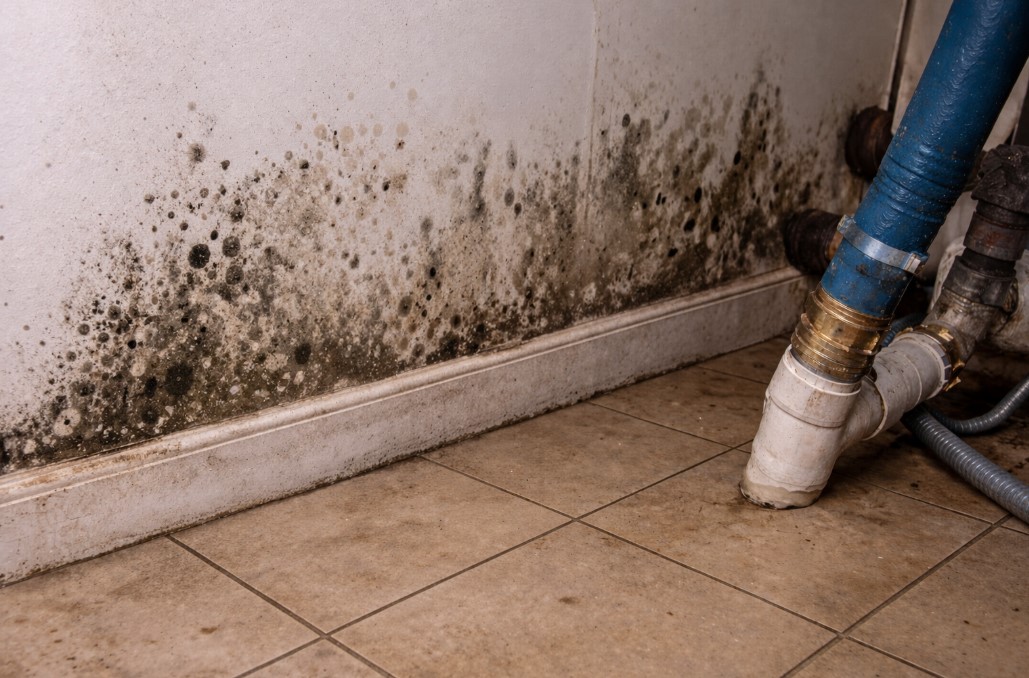
Water damage and mold are inseparable problems in Duncanville homes — wherever water intrudes and isn't fully dried within 24–48 hours, mold follows. Whether you've experienced a major flood, a burst pipe, a slow roof leak, or appliance overflow, the moisture left behind in walls, floors, and ceilings creates ideal conditions for mold growth that may not become visible for weeks. Our certified water damage mold removal specialists in Duncanville address both problems together — drying the structure, removing existing mold, and verifying the result with post-remediation testing.

Water Damage Mold Removal Duncanville, TX

Water Damage Mold Removal Services in Duncanville, TX

Our Duncanville specialists handle the full spectrum of water damage mold situations — from post-flood emergency response to hidden mold discovered months after a slow leak.

Mold After Flooding in Duncanville

Basement flooding, storm flooding, and overland flooding in Duncanville homes saturates walls, flooring, and structural materials with water that feeds rapid mold growth. Our response combines water extraction, industrial drying, and complete mold remediation — stopping mold before it spreads beyond the flood-damaged area.

Mold After Burst Pipe

A burst pipe in a Duncanville home can release hundreds of gallons into walls, ceilings, and floors before it's discovered. The saturated building materials that result support explosive mold growth within days. Fast professional response stops mold from spreading far beyond the initial water damage zone.

Mold After Roof Leak

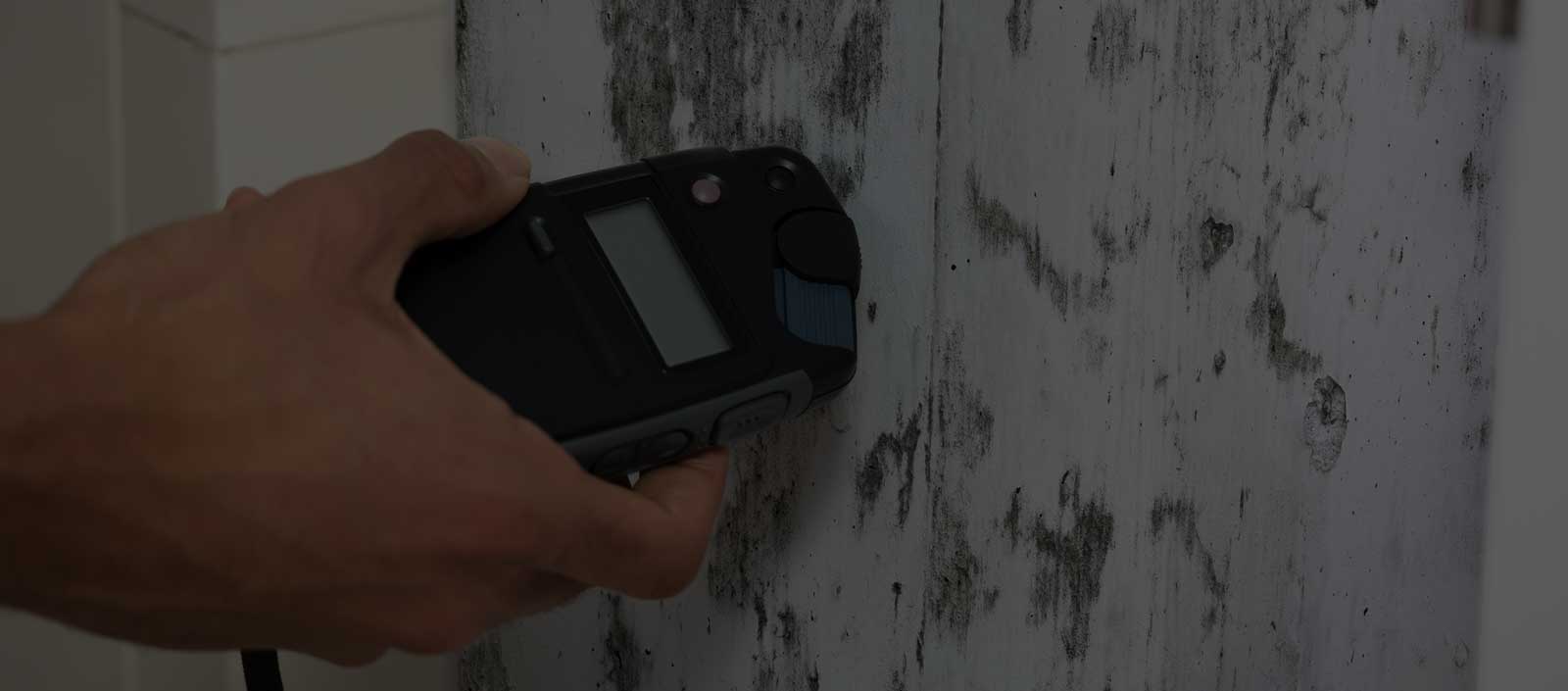
Roof leaks in Duncanville homes often go undetected for extended periods — water seeps into attic insulation, ceiling cavities, and wall assemblies, creating hidden mold growth that spreads silently for months. We use moisture meters and thermal cameras to locate all water-damaged and mold-affected areas, including those not visible to the naked eye.

Mold After Appliance Leak

Slow leaks from dishwashers, refrigerators, washing machines, and water heaters in Duncanville homes create persistent moisture under flooring and inside cabinets that supports mold growth for months before detection. By the time these leaks are found, mold is typically established in the subfloor, wall framing, and adjacent materials.

Mold After Sewage Backup

Sewage backups in Duncanville properties introduce Category 3 (black water) contamination that combines raw sewage bacteria with the moisture conditions that create rapid mold growth. This requires specialized biohazard remediation protocols alongside standard mold removal — our team is certified for both.

Hidden Mold After Previous Water Damage

Water damage that was dried and repaired without professional mold testing frequently results in hidden mold growing inside closed wall and floor cavities in Duncanville homes. If you notice a musty smell or occupant health symptoms months after water damage, hidden mold may be the cause — even if surfaces look clean.

Water Damage Categories & Mold Risk in Duncanville

Not all water damage is the same — the category of water involved determines both the mold risk and the remediation protocols required:

Category 1 — Clean Water

Sources: burst supply pipes, overflowing sinks, rainwater. Clean water poses lower immediate health risk but still causes rapid mold growth in Duncanville homes if not dried within 24–48 hours. Category 1 can degrade to Category 2 or 3 if left standing.

Category 2 — Gray Water

Sources: washing machine overflow, dishwasher leaks, toilet overflow (without feces). Gray water contains biological contaminants that accelerate mold growth and require more aggressive antimicrobial treatment alongside standard drying and mold remediation protocols for Duncanville properties.

Category 3 — Black Water

Sources: sewage backups, flooding from rivers or streams, toilet overflow with feces. Black water is grossly contaminated and requires full biohazard protocols alongside mold remediation. All porous materials contacted by Category 3 water in Duncanville homes must be removed and replaced.

    Mold spores are present in every Duncanville home — they only need moisture to begin growing. Under ideal conditions (warm temperature, organic material, standing moisture), mold colonies can establish within 24–48 hours of water damage. Visible surface mold typically appears within 1–2 weeks, but hidden mold inside walls and floors may not be discovered for months.
    Surface drying with fans and dehumidifiers removes visible moisture but rarely dries the interior of wall assemblies, subfloor systems, and insulation cavities where mold establishes. Professional industrial drying equipment operates at significantly higher capacity and includes moisture monitoring to verify materials are dried to safe levels throughout — not just on the surface.
    One of the most common calls we receive in Duncanville is from homeowners who repaired water damage months or years ago — replaced drywall, repainted, refinished floors — and are now experiencing musty odors or health symptoms. Cosmetic repairs over incomplete drying trap mold inside wall and floor cavities where it continues growing. We locate and remediate this hidden mold without unnecessary demolition.
    Mold resulting from a sudden, covered water damage event — burst pipe, appliance failure, storm damage to the building envelope — is typically covered under standard homeowner's insurance in Duncanville. Mold from gradual leaks, flooding (requires separate flood insurance), or deferred maintenance is generally excluded. Our team provides complete documentation from day one to support your claim.
    No — mold testing and remediation should be completed before cosmetic repairs in your Duncanville property. Closing up walls and floors before confirming mold-free status traps any mold present inside the structure, allowing it to continue growing and potentially causing more extensive damage and health issues than if it had been addressed before restoration.
    Duncanville landlords who experience water damage events in rental properties have a legal obligation to respond promptly and prevent mold from developing. Documented professional drying, mold testing, and remediation — with written clearance — protects landlords from liability and demonstrates fulfillment of the duty to provide habitable conditions.

Why Drying Alone Isn't Enough

The most common mistake after water damage in Duncanville homes is treating it as a drying problem rather than a drying-plus-mold problem. Even when surfaces feel dry, moisture remains trapped inside wall cavities, under flooring, and within insulation — creating hidden mold that grows for months before causing detectable symptoms. Professional moisture mapping with calibrated meters verifies that all materials, not just surfaces, are dried to safe levels before any restoration work begins.

The Correct Sequence After Water Damage

The right order for addressing water damage and mold in Duncanville properties: (1) Stop the water source. (2) Extract standing water. (3) Industrial drying with moisture monitoring. (4) Mold testing once drying is complete. (5) Remediation of any mold found. (6) Clearance testing. (7) Structural repairs and restoration. Skipping or reversing any of these steps — especially closing up walls before testing — creates much larger problems later.

Documentation for Insurance Claims

Water damage mold claims require thorough documentation to be accepted by insurance companies in Duncanville. Our team photographs all damage, records moisture readings at every test point, documents all affected materials, and provides a complete written scope of work — creating the paper trail your insurer needs to process your claim efficiently and accurately.

Our Water Damage Mold Removal Process in Duncanville, TX

The correct sequence for addressing water damage and mold together in Duncanville — done right the first time:

  • 1. Emergency Response & Assessment: Our Duncanville team responds to your water damage situation — assessing the extent of water intrusion, categorizing the water type (clean, gray, or black), and determining the full scope of affected materials using moisture meters and thermal imaging cameras.
  • 2. Water Extraction: Industrial-grade extraction equipment removes standing water from your Duncanville property — floors, carpets, basements — before drying equipment is deployed. Thorough extraction is the foundation of effective drying and mold prevention.
  • 3. Structural Drying with Monitoring: High-capacity air movers, dehumidifiers, and drying mats are deployed throughout your Duncanville property. Moisture levels are monitored daily until all structural materials — walls, floors, framing — reach target dryness levels verified by calibrated meters.
  • 4. Mold Assessment: Once drying is complete, our Duncanville specialists conduct a full mold assessment — visually inspecting all previously wet areas and using air and surface sampling to detect any mold growth that developed during or after the water damage event, including hidden mold inside wall and floor assemblies.
  • 5. Mold Remediation: Any mold found in your Duncanville property is remediated following IICRC S520 standards — contaminated materials removed, surfaces treated with EPA-approved antimicrobials, HEPA air filtration deployed. Remediation scope is determined by the assessment findings, not assumptions.
  • 6. Clearance Testing & Documentation: Post-remediation clearance testing confirms your Duncanville property is mold-free and safe for restoration. Complete documentation — moisture logs, photos, scope of work, clearance report — is prepared for your insurance claim and personal records.

Water Damage Mold Removal in Duncanville, TX

Water damage mold removal services in Duncanville, TX and surrounding zip codes: 75116 75137 75138

Water Damage Mold FAQ — Duncanville, TX

Questions about water damage mold in Duncanville? Call (877) 360-5502 anytime.

  • My water damage was dried — do I still need mold testing?
  • Yes — if drying was not verified with moisture meters throughout all affected materials, mold testing is strongly recommended before closing up walls or finishing floors. Surface drying does not equal structural drying. Many Duncanville homeowners discover mold inside walls months after water damage that appeared to be fully dried.
  • How long after water damage should I test for mold?
  • Mold testing should be conducted after structural drying is complete and verified — not immediately after the water event. Testing too early may miss mold that hasn't yet produced detectable airborne spore levels. For recent water damage in Duncanville, contact our specialists who will advise on the right timing based on your specific situation.
  • Can I smell mold if it's hidden inside walls?
  • Yes — mold produces musty, earthy volatile organic compounds (MVOCs) that penetrate drywall and flooring. A persistent musty odor in a specific room of your Duncanville home — especially following previous water damage — is a reliable indicator of hidden mold growth even when no visible mold is present. Professional air testing can confirm and locate the source.
  • What materials need to be replaced after water damage mold?
  • Porous materials that have absorbed water and developed mold typically require replacement: drywall, insulation, carpet and padding, ceiling tiles, and particleboard. Non-porous or semi-porous materials — concrete, tile, solid wood framing — can often be treated and retained if structurally sound. Our Duncanville specialists assess each material individually to minimize unnecessary replacement.
  • How do I prevent mold after water damage in Duncanville?
  • The fastest way to prevent mold after water damage in your Duncanville property: (1) Call a professional immediately — fast response is the single most effective mold prevention measure. (2) Do not run HVAC — it spreads moisture and spores. (3) Remove standing water as quickly as possible. (4) Do not close up walls or floors until professional drying and mold testing are complete. (5) Document everything with photos for insurance.

Residents of Duncanville can upgrade their bathrooms following mold remediation with expert Duncanville bathtub replacement.