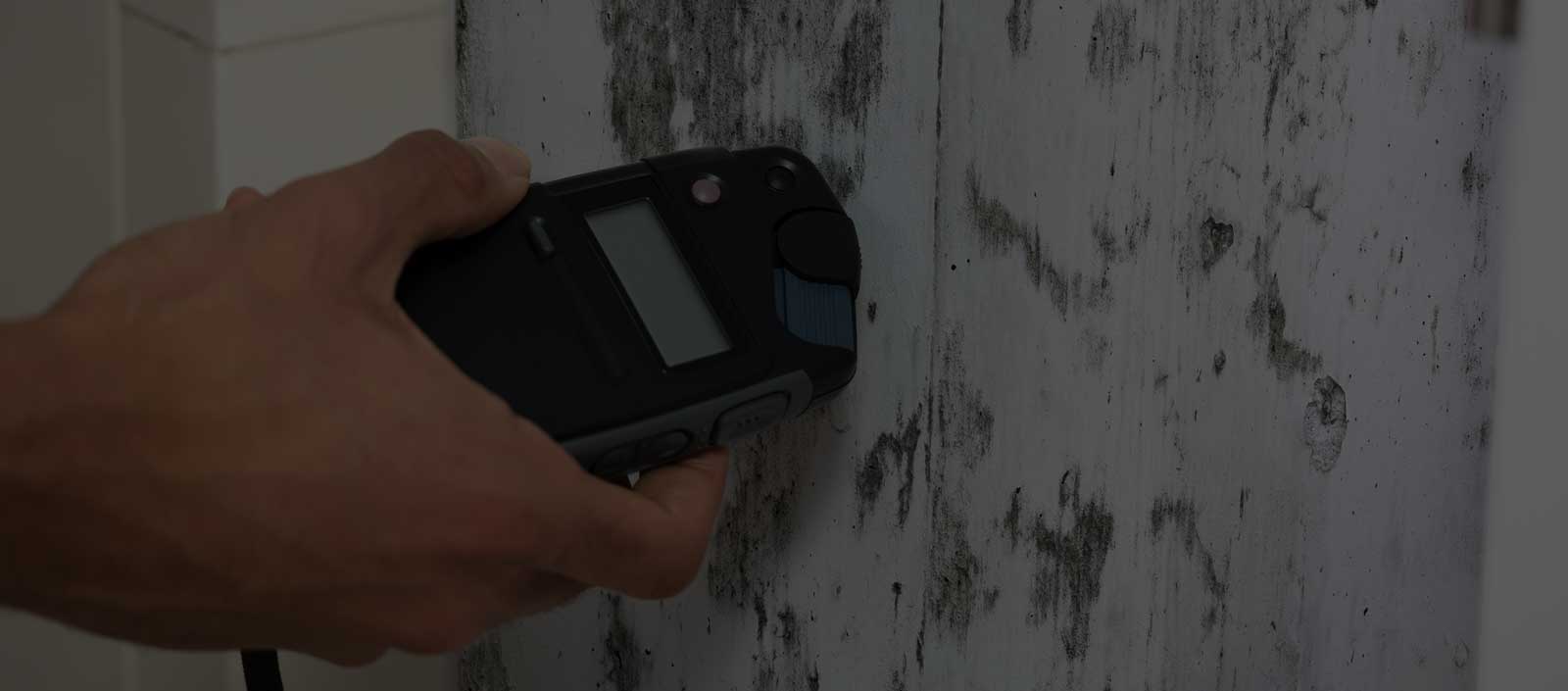
Had water damage in your Flanders home? Mold can begin growing within 24 hours — our certified specialists stop it before it spreads.
Complete water damage mold removal in Flanders, NJ — from post-flood mold to hidden mold after slow leaks.
Water extraction, drying, mold remediation, and insurance documentation — all under one roof.
Water Extraction & Drying
Mold Prevention & Removal
Hidden Mold Detection
Insurance Documentation
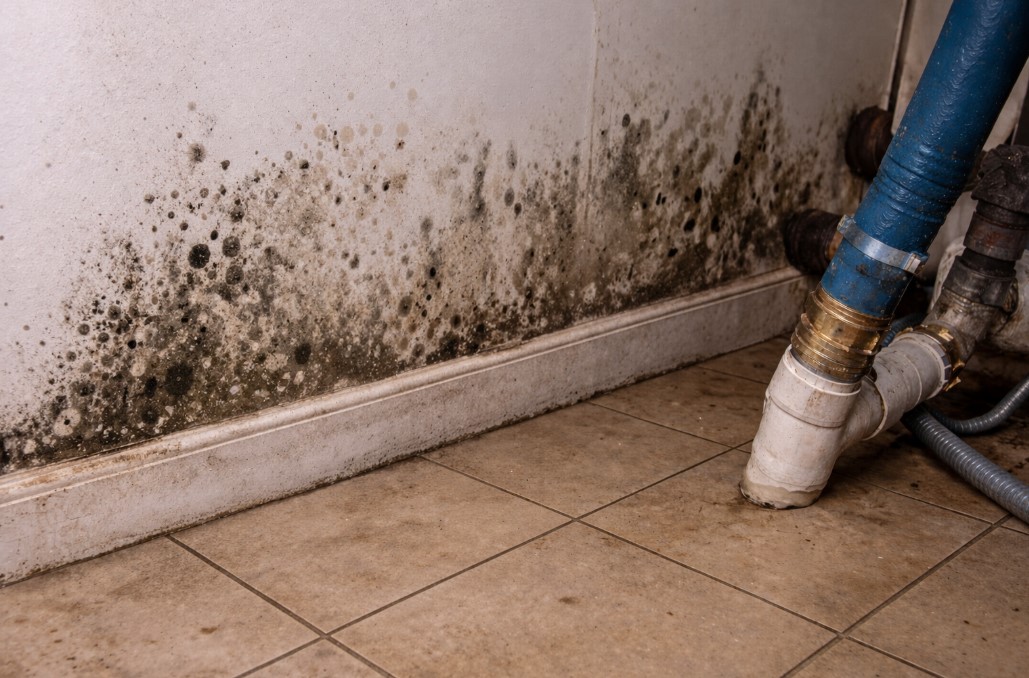
Water damage and mold are inseparable problems in Flanders homes — wherever water intrudes and isn't fully dried within 24–48 hours, mold follows. Whether you've experienced a major flood, a burst pipe, a slow roof leak, or appliance overflow, the moisture left behind in walls, floors, and ceilings creates ideal conditions for mold growth that may not become visible for weeks. Our certified water damage mold removal specialists in Flanders address both problems together — drying the structure, removing existing mold, and verifying the result with post-remediation testing.
Our Flanders specialists handle the full spectrum of water damage mold situations — from post-flood emergency response to hidden mold discovered months after a slow leak.
Basement flooding, storm flooding, and overland flooding in Flanders homes saturates walls, flooring, and structural materials with water that feeds rapid mold growth. Our response combines water extraction, industrial drying, and complete mold remediation — stopping mold before it spreads beyond the flood-damaged area.
A burst pipe in a Flanders home can release hundreds of gallons into walls, ceilings, and floors before it's discovered. The saturated building materials that result support explosive mold growth within days. Fast professional response stops mold from spreading far beyond the initial water damage zone.
Roof leaks in Flanders homes often go undetected for extended periods — water seeps into attic insulation, ceiling cavities, and wall assemblies, creating hidden mold growth that spreads silently for months. We use moisture meters and thermal cameras to locate all water-damaged and mold-affected areas, including those not visible to the naked eye.
Slow leaks from dishwashers, refrigerators, washing machines, and water heaters in Flanders homes create persistent moisture under flooring and inside cabinets that supports mold growth for months before detection. By the time these leaks are found, mold is typically established in the subfloor, wall framing, and adjacent materials.
Sewage backups in Flanders properties introduce Category 3 (black water) contamination that combines raw sewage bacteria with the moisture conditions that create rapid mold growth. This requires specialized biohazard remediation protocols alongside standard mold removal — our team is certified for both.
Water damage that was dried and repaired without professional mold testing frequently results in hidden mold growing inside closed wall and floor cavities in Flanders homes. If you notice a musty smell or occupant health symptoms months after water damage, hidden mold may be the cause — even if surfaces look clean.
Not all water damage is the same — the category of water involved determines both the mold risk and the remediation protocols required:
Sources: burst supply pipes, overflowing sinks, rainwater. Clean water poses lower immediate health risk but still causes rapid mold growth in Flanders homes if not dried within 24–48 hours. Category 1 can degrade to Category 2 or 3 if left standing.
Sources: washing machine overflow, dishwasher leaks, toilet overflow (without feces). Gray water contains biological contaminants that accelerate mold growth and require more aggressive antimicrobial treatment alongside standard drying and mold remediation protocols for Flanders properties.
Sources: sewage backups, flooding from rivers or streams, toilet overflow with feces. Black water is grossly contaminated and requires full biohazard protocols alongside mold remediation. All porous materials contacted by Category 3 water in Flanders homes must be removed and replaced.
The most common mistake after water damage in Flanders homes is treating it as a drying problem rather than a drying-plus-mold problem. Even when surfaces feel dry, moisture remains trapped inside wall cavities, under flooring, and within insulation — creating hidden mold that grows for months before causing detectable symptoms. Professional moisture mapping with calibrated meters verifies that all materials, not just surfaces, are dried to safe levels before any restoration work begins.
The right order for addressing water damage and mold in Flanders properties: (1) Stop the water source. (2) Extract standing water. (3) Industrial drying with moisture monitoring. (4) Mold testing once drying is complete. (5) Remediation of any mold found. (6) Clearance testing. (7) Structural repairs and restoration. Skipping or reversing any of these steps — especially closing up walls before testing — creates much larger problems later.
Water damage mold claims require thorough documentation to be accepted by insurance companies in Flanders. Our team photographs all damage, records moisture readings at every test point, documents all affected materials, and provides a complete written scope of work — creating the paper trail your insurer needs to process your claim efficiently and accurately.
The correct sequence for addressing water damage and mold together in Flanders — done right the first time:
Water damage mold removal services in Flanders, NJ and surrounding zip codes: 07836 7836 7837
Questions about water damage mold in Flanders? Call (877) 360-5502 anytime.
We also provide mold remediation services in other cities across NJ.
Flanders homeowners can enhance bathrooms after mold removal with trusted tub to shower conversion in Flanders.