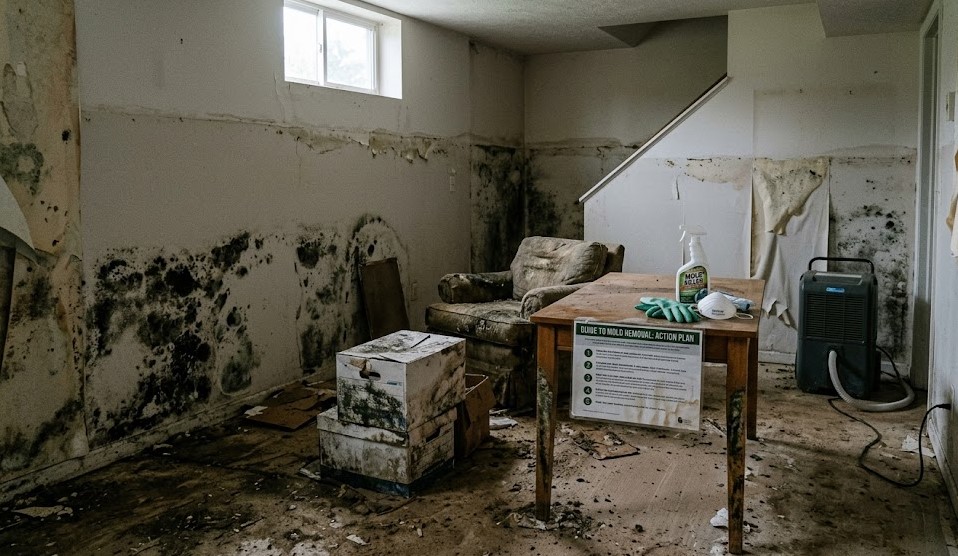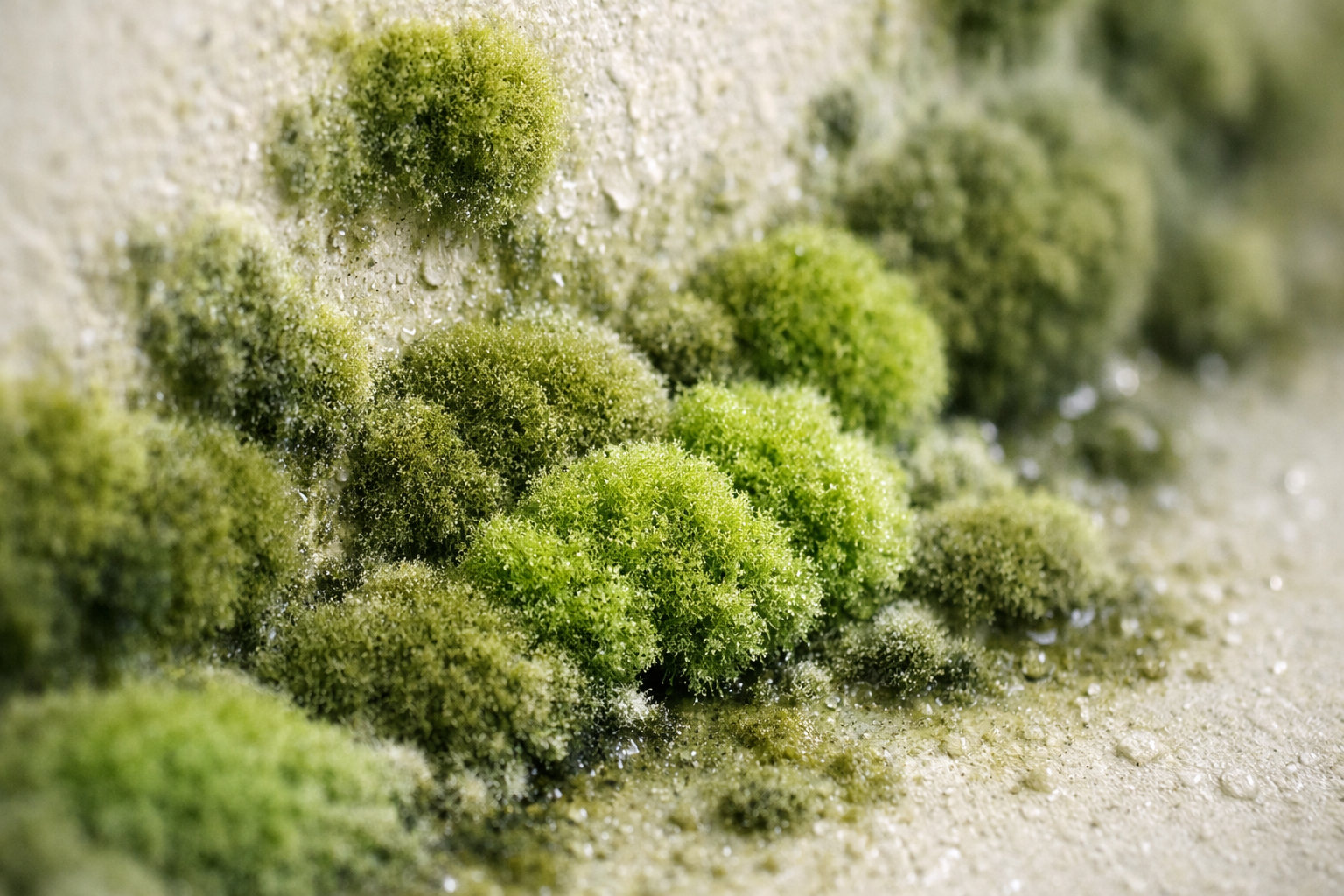
Green mold is a fungal growth caused most often by Aspergillus, Penicillium, or Cladosporium — all capable of triggering respiratory symptoms, allergic reactions, and structural damage. It is not automatically …
Maine homes built before 1940 carry a structural characteristic that creates ideal conditions for hidden mold growth — open wall cavities running uninterrupted from the basement to the attic. This …
That faint earthy odor in your bedroom — the one that reminds you of a basement, a rainy forest floor, or a room full of aging paperbacks — is not …
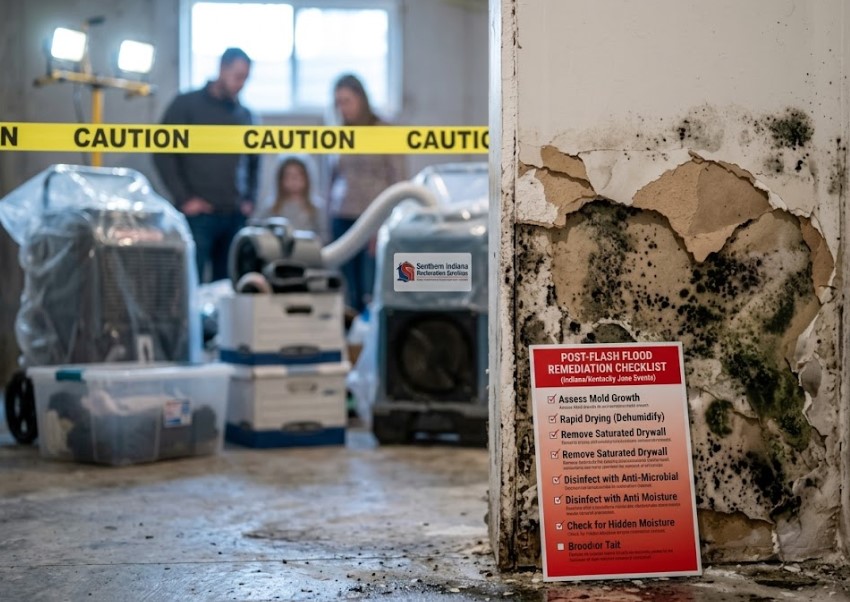
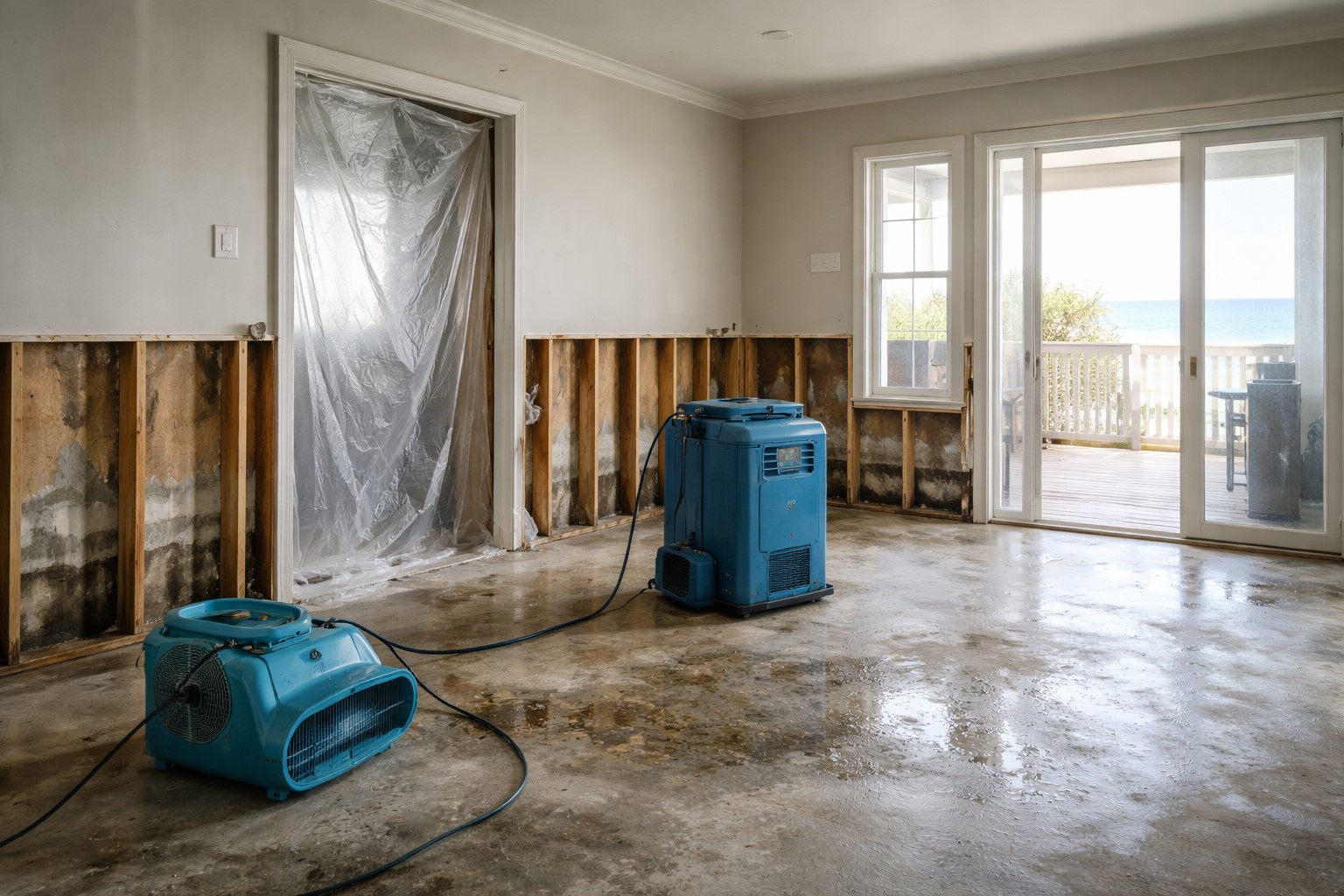
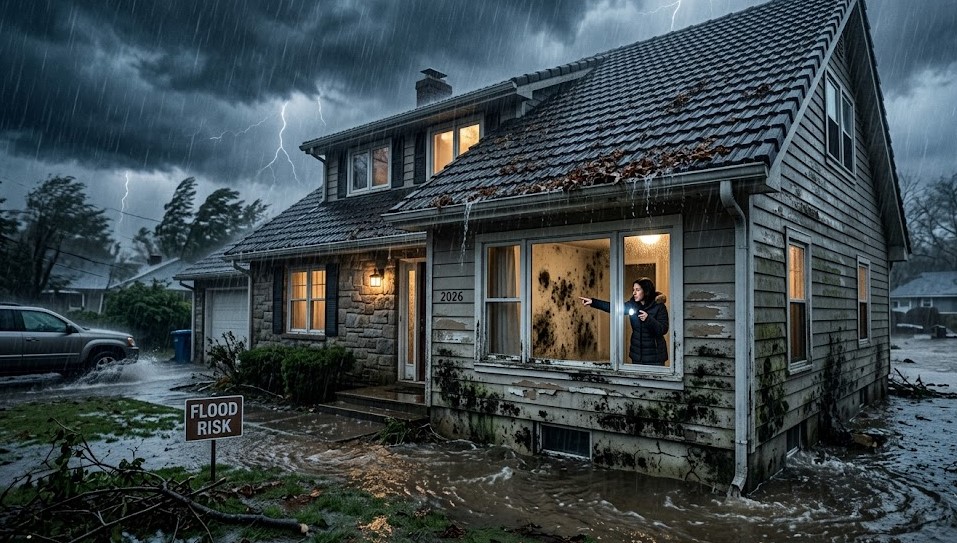
The storm passes. Floodwaters recede. You walk through your front door and survey the damage — waterlogged furniture, wet floors, a faint smell you attribute to dampness. The walls appear …
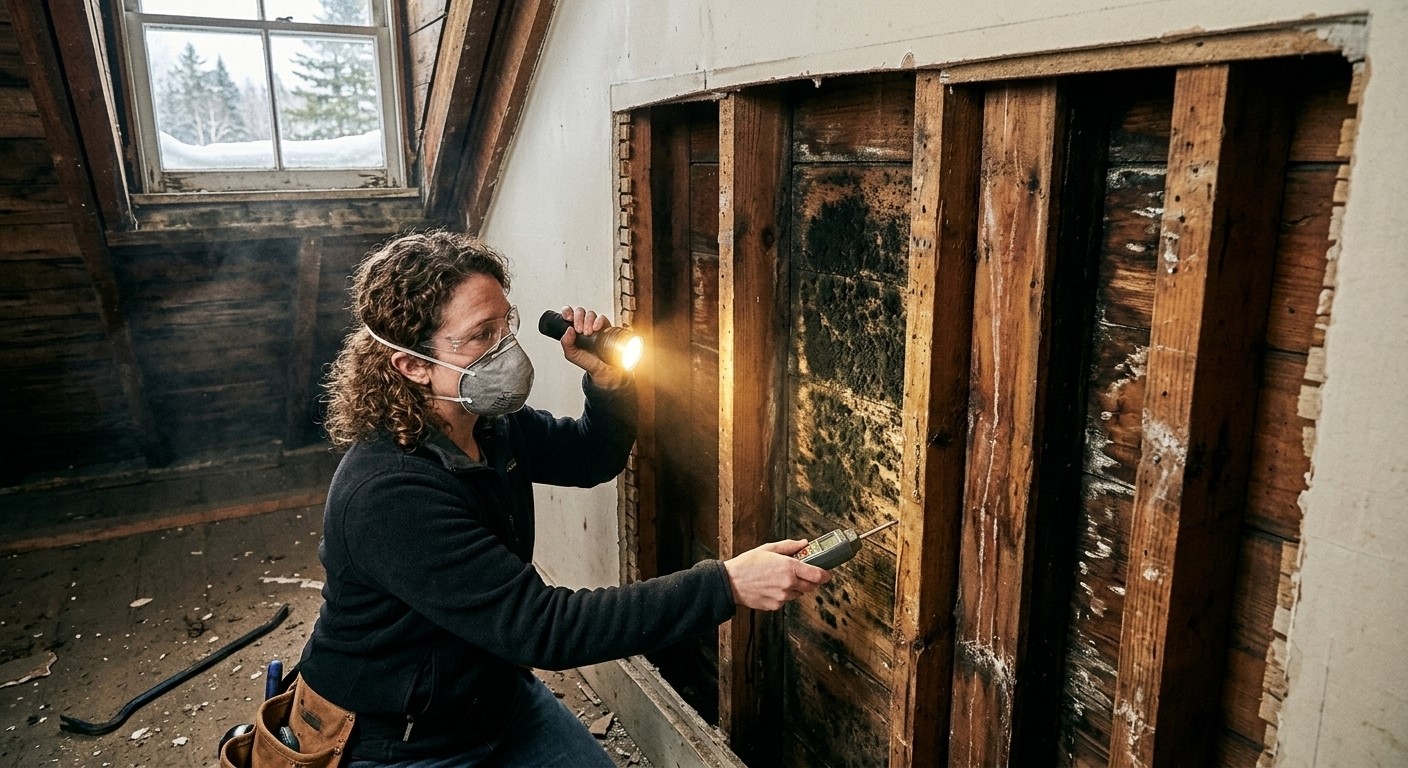
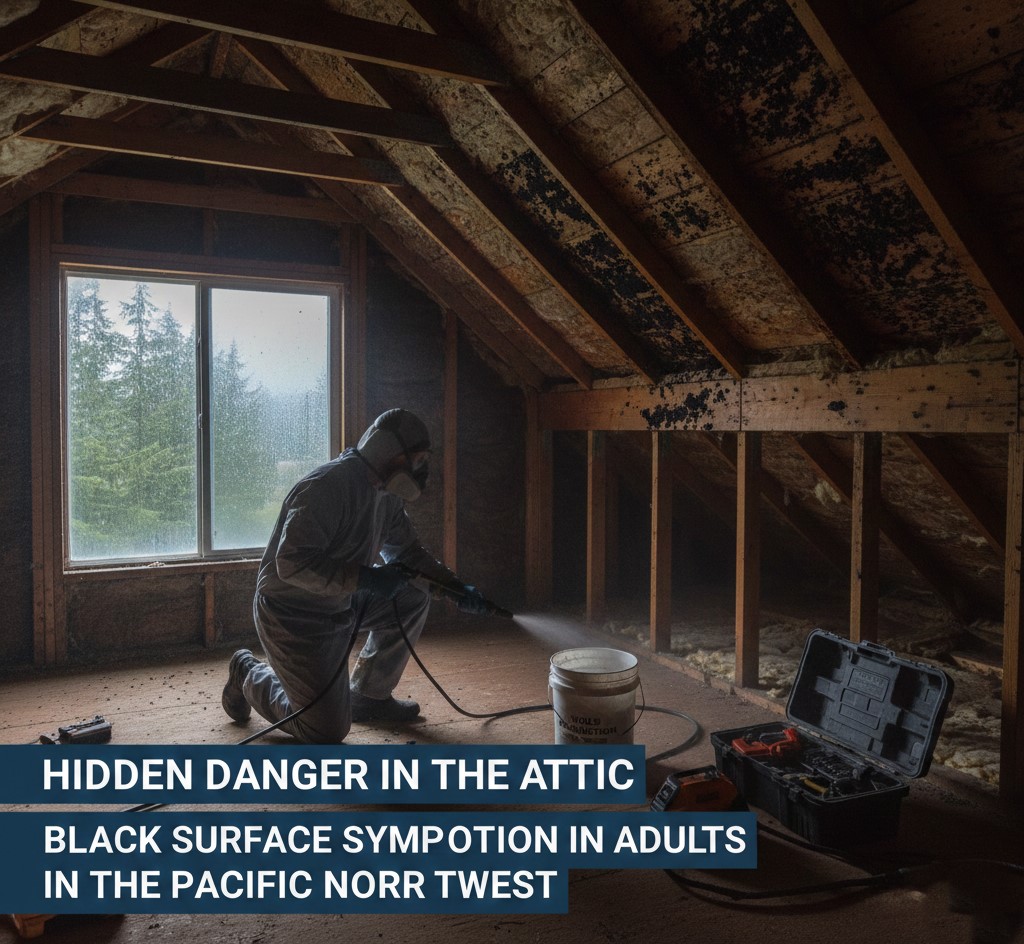
For eight months, I blamed my brain fog on Seattle's gray winters. The real culprit? Black mold symptoms in adults from Stachybotrys on wood rafters. Learn attic mold remediation …
Prolonged freezing temperatures cause thousands of burst pipes across Dallas-Fort Worth each winter. When water inside pipes freezes, it expands approximately 9% by volume, creating internal pressure exceeding 25,000 pounds …
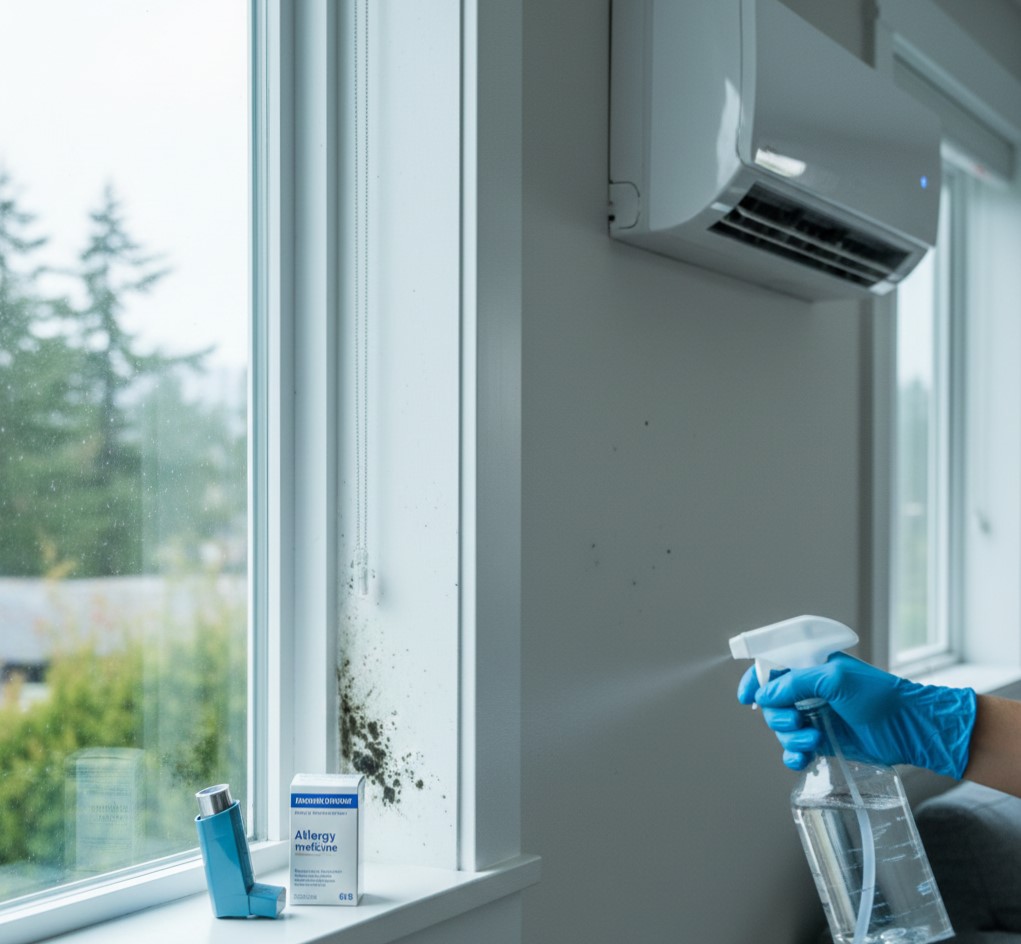
Black mold in air conditioning systems and window frames creates severe health hazards for homeowners throughout California and Oregon. Stachybotrys chartarum, the primary black mold species, thrives in moisture-rich environments …
Window condensation occurs when warm, moisture-laden indoor air contacts cold glass surfaces, causing water vapor to condense into liquid droplets that pool on sills and drip onto surrounding materials. This …
Crawl space encapsulation transforms wet, moldy spaces beneath Pacific Northwest homes into controlled, dry environments that protect structural integrity and indoor air quality for decades. This comprehensive moisture control system …
Pacific Northwest homeowners face a hidden threat beneath their homes as winter rains saturate crawl spaces, creating ideal conditions for mold growth within 24-48 hours. Seattle receives over 150 rainy …